The U.S. Treasury Department’s Financial Crimes ​Enforcement Network (FinCEN) on May 11 issued an alert to financial institutions warning them of efforts by ​the Iranian Islamic Revolutionary Guard Corps (IRGC) to evade sanctions. FinCEN said in a statement that the IRGC has been facilitating and laundering the proceeds of illicit oil sales using networks of financial facilitators and shell companies. The alert provides red flags on the IRGC’s oil smuggling, digital assets, and front-company abuse to aid financial institutions in detecting and reporting suspicious activity, the statement said. Treasury Secretary Scott Bessent said that financial institutions have a responsibility to stop this activity. Story continues below advertisement “Degraded by Economic Fury, the Iranian military is desperately trying to fund its weapons programs and terrorist proxies,” Bessent said. “Treasury will continue to deny the Islamic Revolutionary Guard Corps access to the financial networks it exploits to fund its terrorist acts. Financial institutions should be on notice that they have a responsibility to detect suspicious activity and stop it in its tracks.” The Treasury network describes the IRGC as a parallel organization to Tehran’s regular armed forces, which reports directly to the leader, Ayatollah Mojtaba Khamenei. The IRGC is a U.S.-designated foreign terrorist organization. Shadow Banking FinCEN says the IRGC can make money from oil sales by misrepresenting its commercial activities. It smuggles oil using a “shadow fleet” of vessels that operate outside normal maritime rules and are often owned and operated by companies outside Iran. Related Stories The Epoch Times US Treasury Announces Sanctions on 12 New Targets for Transporting Iranian Oil to China The Epoch Times Trump Says Iran Sent ‘Stupid Proposal’ Without Nuclear Commitment, as He Plans Federal Gas Tax Pause | Capitol Report Proceeds are then laundered through “shadow banking” networks to sell their oil and commodities abroad. “By using front company accounts outside Iran to receive and remit payments, sanctioned entities like the IRGC are able to conduct transactions through the international financial system without repatriating funds to Iran,” FinCEN said. The network says that with these proceeds, Iran can fund the procurement and development of weapons, as well as fund terrorist activity abroad. Sanctions on Iran The alert comes after President Donald Trump said on May 11 that a ceasefire with Iran was on “life support.” The president’s remarks follow Tehran’s proposal to end the war over the weekend. “I would call it the weakest right now after reading that piece of garbage they sent us,” Trump told reporters at the White House. “I didn’t even finish reading it.” A ceasefire between the United States and Iran went into effect in April, ending weeks of U.S. and Israeli strikes on the country that started on Feb. 28. Story continues below advertisement The Strait of Hormuz, a key transit point for oil and natural gas, has remained effectively closed in the meantime, sending oil prices surging and rattling stock markets worldwide. In the meantime, the U.S. military has imposed a naval blockade on Iranian ports. The U.S. Central Command (CENTCOM) said on May 11 that 62 commercial ships have been redirected and four ships disabled as it enforced the blockade. Also on Monday, the U.S. Treasury Department announced sanctions against 12 new targets as part of its “Economic Fury” initiative to disrupt Tehran’s economic and military capacity. The Treasury said it had designated 12 individuals and entities for their roles in enabling the IRGC’s sale and shipment of Iranian oil to China. “The IRGC relies on front companies in permissive economic jurisdictions to obfuscate its role in oil sales and funnel the revenue to the Iranian regime. Instead of using this revenue to support the struggling Iranian people, the regime directs it toward weapons development, backing terrorist proxies, and funding security forces that suppress citizens’ freedoms,” the Treasury said. Joseph Lord and Jack Phillips contributed to this report.
By Victoria Friedman

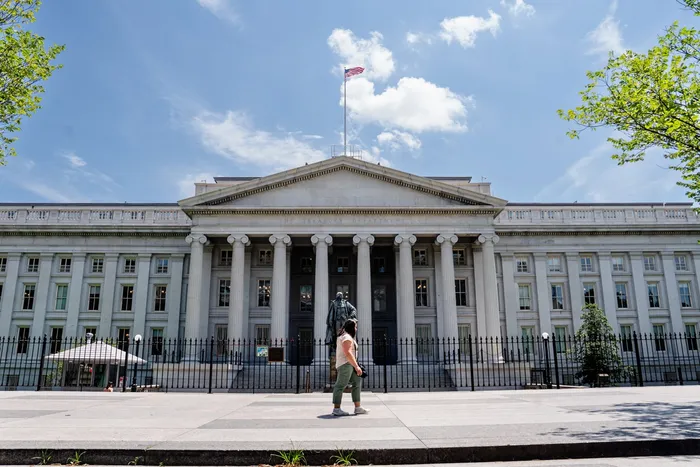
The U.S. Treasury Department’s Financial Crimes ​Enforcement Network (FinCEN) on May 11 issued an alert to financial institutions warning them of efforts by ​the Iranian Islamic Revolutionary Guard Corps (IRGC) to evade sanctions.

FinCEN said in a statement that the IRGC has been facilitating and laundering the proceeds of illicit oil sales using networks of financial facilitators and shell companies. The alert provides red flags on the IRGC’s oil smuggling, digital assets, and front-company abuse to aid financial institutions in detecting and reporting suspicious activity, the statement said.

Treasury Secretary Scott Bessent said that financial institutions have a responsibility to stop this activity.

“Degraded by Economic Fury, the Iranian military is desperately trying to fund its weapons programs and terrorist proxies,” Bessent said.

“Treasury will continue to deny the Islamic Revolutionary Guard Corps access to the financial networks it exploits to fund its terrorist acts. Financial institutions should be on notice that they have a responsibility to detect suspicious activity and stop it in its tracks.”

The Treasury network describes the IRGC as a parallel organization to Tehran’s regular armed forces, which reports directly to the leader, Ayatollah Mojtaba Khamenei. The IRGC is a U.S.-designated foreign terrorist organization.

Shadow Banking

FinCEN says the IRGC can make money from oil sales by misrepresenting its commercial activities. It smuggles oil using a “shadow fleet” of vessels that operate outside normal maritime rules and are often owned and operated by companies outside Iran.

Proceeds are then laundered through “shadow banking” networks to sell their oil and commodities abroad.

“By using front company accounts outside Iran to receive and remit payments, sanctioned entities like the IRGC are able to conduct transactions through the international financial system without repatriating funds to Iran,” FinCEN said.

The network says that with these proceeds, Iran can fund the procurement and development of weapons, as well as fund terrorist activity abroad.

Sanctions on Iran

The alert comes after President Donald Trump said on May 11 that a ceasefire with Iran was on “life support.”

The president’s remarks follow Tehran’s proposal to end the war over the weekend.

“I would call it the weakest right now after reading that piece of garbage they sent us,” Trump told reporters at the White House. “I didn’t even finish reading it.”

A ceasefire between the United States and Iran went into effect in April, ending weeks of U.S. and Israeli strikes on the country that started on Feb. 28.

The Strait of Hormuz, a key transit point for oil and natural gas, has remained effectively closed in the meantime, sending oil prices surging and rattling stock markets worldwide.

In the meantime, the U.S. military has imposed a naval blockade on Iranian ports. The U.S. Central Command (CENTCOM) said on May 11 that 62 commercial ships have been redirected and four ships disabled as it enforced the blockade.

Also on Monday, the U.S. Treasury Department announced sanctions against 12 new targets as part of its “Economic Fury” initiative to disrupt Tehran’s economic and military capacity.

The Treasury said it had designated 12 individuals and entities for their roles in enabling the IRGC’s sale and shipment of Iranian oil to China.

“The IRGC relies on front companies in permissive economic jurisdictions to obfuscate its role in oil sales and funnel the revenue to the Iranian regime. Instead of using this revenue to support the struggling Iranian people, the regime directs it toward weapons development, backing terrorist proxies, and funding security forces that suppress citizens’ freedoms,” the Treasury said.

Joseph Lord and Jack Phillips contributed to this report.

USNN World News Corporation (USNN) USNN World News is a media company consisting of a series of sites specializing in the collection, publication and distribution of public opinion information, local,...