

By Tom Gantert
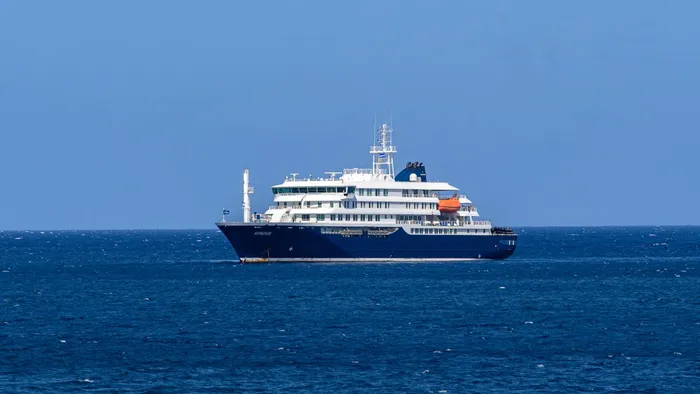
The passengers and crew aboard the MV Hondius exited the hantavirus-stricken cruise ship in the Canary Islands on May 10.
The European Centre for Disease Prevention and Control (ECDC) classified all passengers and crew as high-risk contacts as they disembark and return to their home countries.
U.S. citizens were among the last groups to be evacuated from the cruise ship. There were 17 Americans on board who were to be taken to the National Quarantine Center at the University of Nebraska for monitoring.
The World Health Organization (WHO) reported that as of May 2, 147 passengers and crew were on board, and 34 passengers and crew had previously disembarked.
On May 10, some passengers were taken to the airport in military buses and will be evacuated in government planes provided by their own countries, according to government sources.
The United Nations stated that Spanish health authorities boarded the ship to assess passengers and crew before transferring them to shore in stages based on nationality and flight availability.
Passengers from Spain, France, Canada, and the Netherlands were among the first to leave the vessel, the U.N. stated.
One of the five French passengers showed symptoms of Hantavirus during the repatriation flight, French Prime Minister Sebastien Lecornu said on X.
“As a result, these five passengers were immediately placed in strict isolation until further notice,” Lecornu wrote.
When the passengers are returned to their countries they will be tested and taken to hospitals or quarantine facilities or taken home, where they will be in isolation.
The United Nations said about 30 crew members are expected to remain on board as the vessel returns to the Netherlands along with a medical team.
WHO officials said none of the cruise ship passengers would travel on commercial flights. Chartered flights are being coordinated with countries under strict protocols, according to the United Nations.
Maria van Kerkhove, WHO director for epidemic and pandemic management, said passengers and crew would be monitored for up to six weeks because of the incubation period of the virus.
A monitoring and quarantine period of up to 42 days is in place. High-risk individuals are advised to self-quarantine, conduct daily symptom monitoring, and seek testing if symptoms develop. Those considered low-risk contacts should follow passive monitoring protocols and isolate if symptoms appear, according to the ECDC.
The guidance also outlines measures for contact tracing during flights, focusing on passengers seated within two rows of confirmed or probable cases on long-haul trips.
The ECDC stated there have been a total of eight Andes hantavirus cases, including three deaths and one critically ill patient.
According to the WHO, the risk to the global population posed by this event is low, and the risk to passengers and crew on the ship is considered moderate.
In addition to the ECDC expert already on board the ship, Spain requested further assistance through the European Union Health Task Force. That request led to the deployment of another ECDC expert and two fellows from the European Programme for Intervention Epidemiology Training. The additional expert will coordinate with the fellows, serve as a liaison between ECDC and national and regional authorities in Spain and the Canary Islands, and provide technical support for preparedness and response efforts as needed.
The ECDC is working closely with national public health authorities and the World Health Organization, and will continue to issue updates as more information becomes available.
The cruise ship has been anchored offshore of Tenerife, the largest island of the Canary Islands.
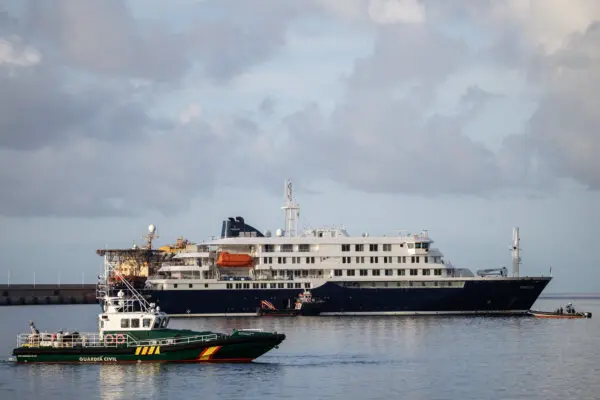
Fernando Clavijo, president of the Canary Islands, was critical of the decision to use the Canary Islands.
“Canary Islands is not the only option for the MV Hondius. It wasn’t last Tuesday, nor is it now when they intend to extend operations for the disembarkation of the passengers,” he said in a post on X on May 9. “We do not have any technical report that guarantees that the risk of the MV Hondius’s operations is zero, but we do have technical criteria that advise that the vessel remain anchored for the shortest possible time in the Canary Islands.
“The Canary Islands will not authorize tomorrow the anchoring of the cruise ship MV Hondius. Collaboration, yes. Solidarity, too. But not at any price. Not without reports, not without impositions from the State, and not endangering the health safety of the Canarians.”
Reuters contributed to this report.
Related posts:
 Over 1,200 Children Died of Suspected Measles Outbreak in War-Torn Sudan: UN
 COVID Vaccines and Future Boosters Are ‘Not Safe for Human Use’: Dr. Peter McCullough Testifies in EU Parliament
 Here’s What to Know About US Withdrawal From the WHO
 Fauci’s Pandemic Leadership Needs to be Investigated: Dr. Scott Atlas