

By Naveen Athrappully
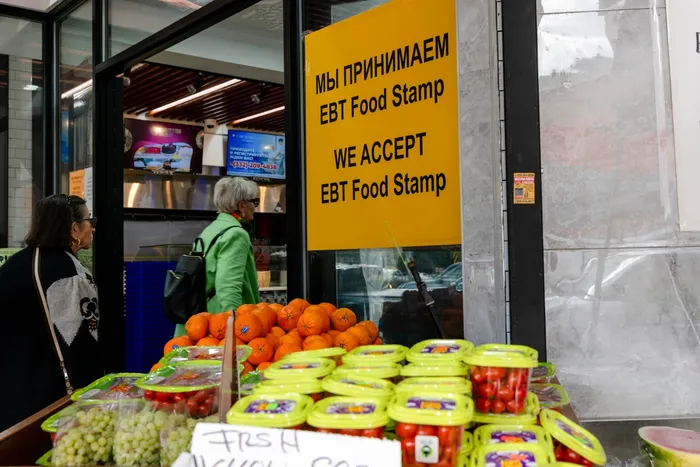
The U.S. Department of Agriculture’s Food and Nutrition Service has disqualified 1,562 retailers associated with the Supplemental Nutrition Assistance Program (SNAP) and disabled 760 illegal point-of-sale devices since Oct. 1, 2025.
This has resulted in the prevention of nearly $835 million in fraudulent SNAP transactions, Stephen Vaden, deputy secretary of the Department of Agriculture (USDA), said in an April 17 post on X.
“Commit fraud? We will find you and hold you accountable. Including jail time. And now, we have the whole of government, under the leadership of @VP and @AFergusonFTC, rooting out abuse of any program meant to help the most vulnerable.” Vaden wrote, referring to Vice President JD Vance and Federal Trade Commission Chairman Andrew Ferguson.
Responding to the post, Ferguson said, “More is coming!”
Fraud by SNAP retailers can involve selling items not allowed under the program, exchanging SNAP benefits for cash, and lying on their applications to get authorized to participate as a retailer under the program, according to the USDA Food and Nutrition Service.
Such retailers can face permanent or temporary disqualification from the program, denial of application, withdrawal of authorization, financial penalties, and criminal charges that can lead to fines and even prison time.
One grocer from Palos Hills, Indiana, was permanently disqualified from SNAP after racking up more than $6 million in fraudulent transactions under the program, Agriculture Secretary Brooke Rollins said in an April 10 X post.
In another incident, an owner of a small convenience store in Boston was convicted for trafficking almost $7 million in SNAP benefits, outpacing even full-size supermarkets, the Department of Justice said on March 31.
In another X post, Rollins said that authorities have hit more than 20 SNAP retailers, accused of fraud, with administrative charges and criminal warrants that could kick them out of the program for good.
“No more stealing from hungry children, needy families, and hardworking taxpayers. Inspector General John Walk and his team are putting fraudsters on notice. Steal from the taxpayer? Pay the price,” Rollins wrote, adding that this was part of Operation Cold SNAP.
The USDA’s Office of Inspector General said in an April 16 statement that the action was taken against multiple SNAP retail locations in Twin Cities, Minnesota.
“Fraudulent SNAP retailers steal from victims that include children who rely on federal nutrition assistance and dishonor the charity of American taxpayers who fund the assistance,” USDA Inspector General John Walk said.
“OIG will continue to work hand-in-hand with federal law enforcement partners and agencies across the government in the war on fraud and hold criminals to account.”
SNAP Benefit Theft
In addition to retailer fraud, third-party criminals engage in SNAP fraud, seeking to steal benefits from recipients.
Malicious actors can use special devices to steal card information from machines used to read SNAP cards. Such devices are installed on or inside point-of-sale terminals, allowing criminals to capture card data and PIN entries.
Once the relevant information is stolen, the data is used to buy whatever they want or simply swipe money from victims’ accounts.
In a Dec. 2 report last year, the Government Accountability Office noted that most SNAP benefit cards lack features to prevent theft, such as microchips, which are standard on debit cards.
“Although the full extent of theft is unknown, states reported replacing more than $320 million in stolen benefits between October 2022 and December 2024. During that period, state SNAP agencies provided funds to replace stolen benefits when recipients reported a theft that could be substantiated,” the report said.
“But some recipients may not have known they could file a claim. And the law limited recipients’ filing to two claims per year. As a result, the estimate of losses may not truly reflect the full extent of theft. And, after December 2024, states can no longer replace stolen SNAP benefits with federal funds.”
Related posts:
 More Than 200,000 Government Credit Cards Deactivated: DOGE
 ‘Massive Fraud’ Uncovered in Food Stamp Program, Says Agriculture Secretary as Benefits Lapse
 FBI Agent Lied Under Oath About Knowledge of Hunter Biden Laptop: Rep. Jordan
 Legal Battles, Accusations of Bias as America’s Public Media Faces Uncertain Future