

By Andrew Moran
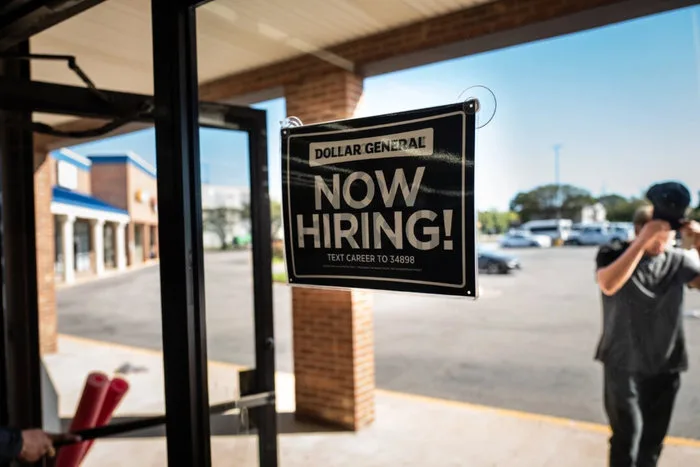
U.S. private payroll growth cooled at the start of 2026, rising at a slower‑than‑expected pace, according to ADP data released on Feb. 4.
The private sector added 22,000 jobs in January, down from a downwardly revised 37,000 in December, the payroll processor said in its National Employment Report.
This came in well below the consensus estimate of 48,000.
Education and health care services accounted for much of the employment gains, with 74,000 new positions. Financial activities and construction also added 14,000 and 9,000, respectively, last month.
Conversely, professional and business services shed 57,000 jobs, and manufacturing eliminated 8,000.
Payroll growth among small businesses—one to 49 employees—was flat. Mid-sized companies—50 to 499 employees—expanded staff by 41,000. Large companies with 500 or more workers posted an 18,000-job drop.
“Job creation took a step back in 2025, with private employers adding 398,000 jobs, down from 771,000 in 2024,” Nela Richardson, chief economist at ADP, said in a news release. “While we’ve seen a continuous and dramatic slowdown in job creation for the past three years, wage growth has remained stable.”
Median pay growth for job-stayers was flat at 4.5 percent year over year, while job-changers’ annualized wage growth slowed to 6.4 percent from 6.6 percent.
Separate ADP data suggest employment growth has been stable, with private employers adding an average of 7,750 jobs per week in the four weeks ending Jan. 3.
All Quiet on the Job Front
ADP’s National Employment Report might temporarily be the most significant snapshot of the U.S. labor market.
Due to the four-day partial U.S. government shutdown, the Bureau of Labor Statistics suspended the January jobs report, which was scheduled for release on Feb. 6. The nonfarm payrolls report was also expected to be notable, as it includes updated methodology and annual revisions.
Early estimates indicate the economy created 40,000 jobs at the start of 2026, and the unemployment rate ticked up to 4.5 percent.
“Today’s ADP report will take on added importance,” Ipek Ozkardeskaya, senior analyst at Swissquote Bank, said in a note emailed to The Epoch Times.
The weak number compared to headline growth—the U.S. economy is expected to expand by about 5 percent in the fourth quarter—suggests the current expansion reinforces “the view that U.S. economic growth remains concentrated in AI-related investment rather than broad-based momentum,” she said.
“It is a two-speed economy, and that’s complicated to navigate for the Fed.”
Still, the number of planned job cuts for January will be published on Feb. 5, along with weekly jobless claims data.
Last month, the Federal Reserve voted 10–2 to leave interest rates unchanged. The two dissenters were Governors Stephen Miran and Christopher Waller—both supported moving forward with a quarter-point rate cut.
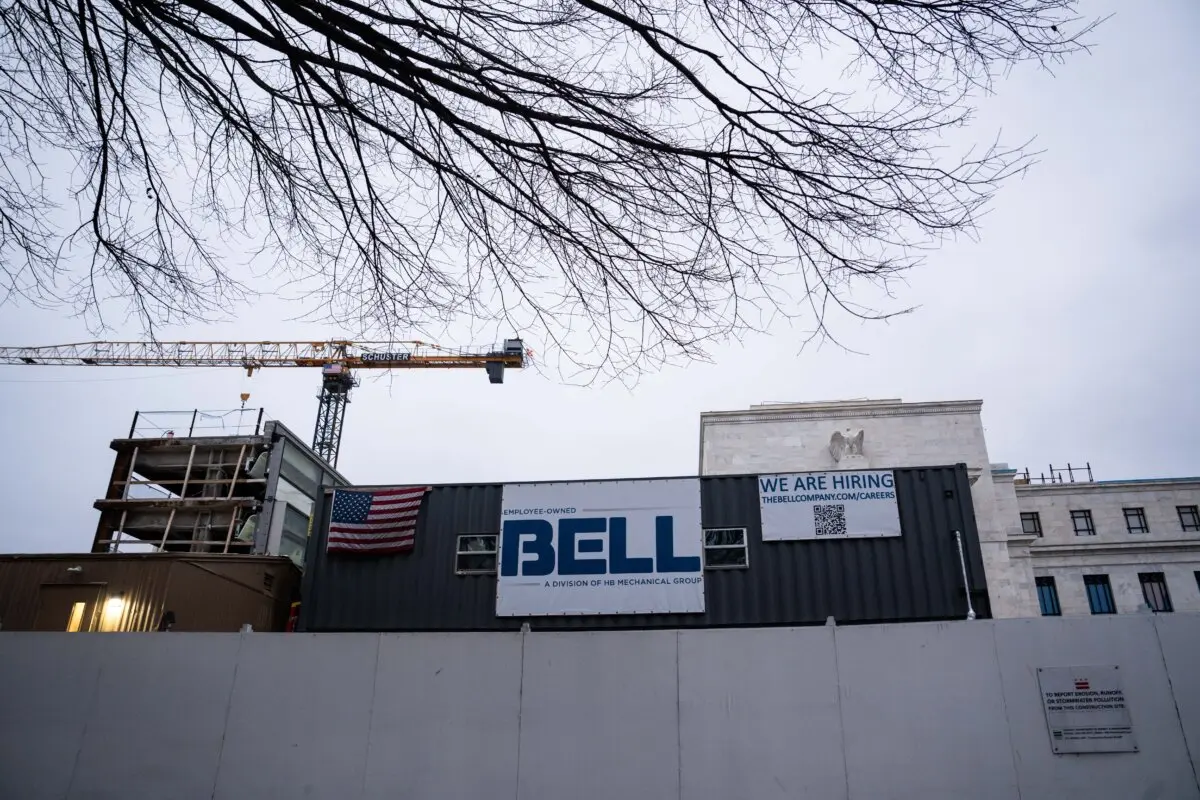
Waller, in a Jan. 30 statement, argued that the labor market remains weak and that a rate cut was necessary to prevent further deterioration in employment conditions.
“Let this sink in for a moment—zero job growth versus an average of almost 2 million for the 10 years prior to 2025. This does not remotely look like a healthy labor market,” he said.
“While lower labor supply was surely a factor, it also indicates considerable weakness in labor demand.
“I favored reducing the policy rate to strengthen the labor market and guard against a deterioration that would be harder to address once it has begun.”
The futures market does not expect the Fed to lower interest rates at the March policy meeting. According to the CME FedWatch Tool, investors have penciled in June or July as the earliest time for a rate cut—shortly after Fed Chair Jerome Powell’s term expires.
Labor demand might be gaining momentum, as Indeed job postings have been gradually rising since early November.
The bureau’s Job Openings and Labor Turnover Survey was also delayed due to the government shutdown.