
By Aldgra Fredly
The Trump administration on Jan. 26 unveiled what it described as the largest overhaul of the Federal Aviation Administration (FAA) in the agency’s history to enhance safety and support modernization efforts.
The overhaul includes launching an airspace modernization office to oversee the installation of a new air traffic control system and creation of an advanced aviation technologies office to oversee the integration of drones and other air mobility vehicles into U.S. airspace, the Department of Transportation (DOT) said in a statement.
The FAA will also move more key leadership posts to permanent roles and consolidate management of finance, information technology, and human resources under the administrator, according to the DOT.
The department said the restructuring of the aviation regulator will not result in workforce reductions.
“It’s important that we have the right people in the right places to do the best work possible,” FAA Administrator Bryan Bedford said in the statement. “These actions will put permanent leaders in place who embrace innovation, share safety data and insights freely and are focused on deploying a brand-new air traffic control system all while integrating key innovation technologies into the new National Airspace System (NAS).”
DOT said the restructuring is intended to strengthen the FAA’s safety foundation and modernize the national airspace system.
The National Business Aviation Association (NBAA) expressed support for the FAA overhaul, saying it would help tackle current challenges facing the aviation industry.
“The FAA’s new structure makes the changes required to increase operational efficiency, foster innovation and empower the bold action needed to build an aviation system that in many ways will redefine air transportation,” NBAA CEO Ed Bolen said in a statement. “More than just a ‘re-org,’ this plan re-envisions what America’s aviation system is, and how it can best serve all stakeholders, now and in the decades to come.”
The announcement came just weeks after the FAA awarded contracts to RTX and Indra to replace the nation’s aging radar system as part of efforts to enhance the agency’s safety oversight.
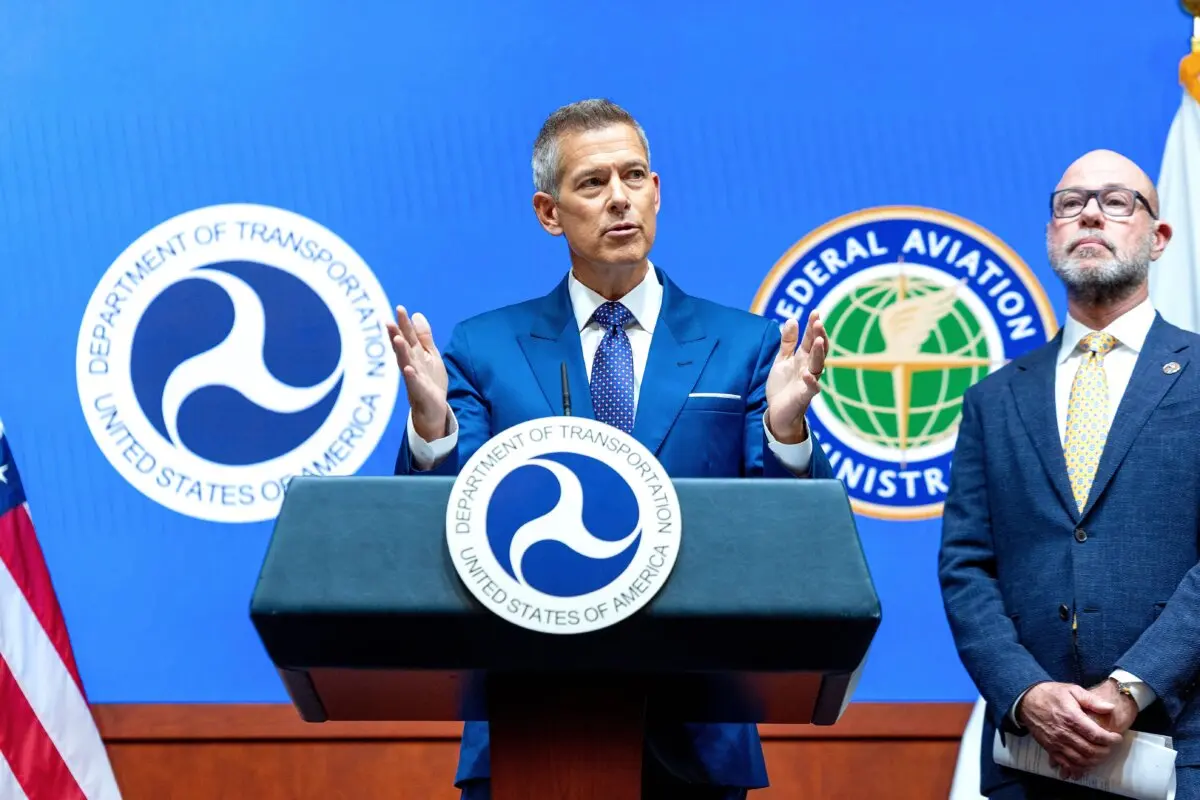
The DOT said on Jan. 5 that the two companies will replace up to 612 old radars across the United States with modern surveillance radars by June 2028. The replacement process will kick off this year and prioritize high-traffic areas, it added.
“While our air travel system is the safest in the world, most of our radars date back to the 1980s. It’s unacceptable,” Transportation Secretary Sean P. Duffy said at the time.
The One Big Beautiful Bill Act, signed by President Donald Trump in July 2025, allocated $12.5 billion to modernize the nation’s air traffic control system. The amount is appropriated to the FAA administrator and would remain available until Sept. 30, 2029.
Out of the total funds, $3 billion was set aside for radar systems replacement, $1.9 billion for building a new air route traffic control center, and $1 billion for terminal radar approach control facilities.
Naveen Athrappully contributed to this report.