
By Jack Phillips
President Donald Trump on Friday said that the Iranian regime has very few negotiating options ahead of talks between Tehran and Washington in Pakistan over the weekend as a two-week ceasefire between the two parties continues to hold.
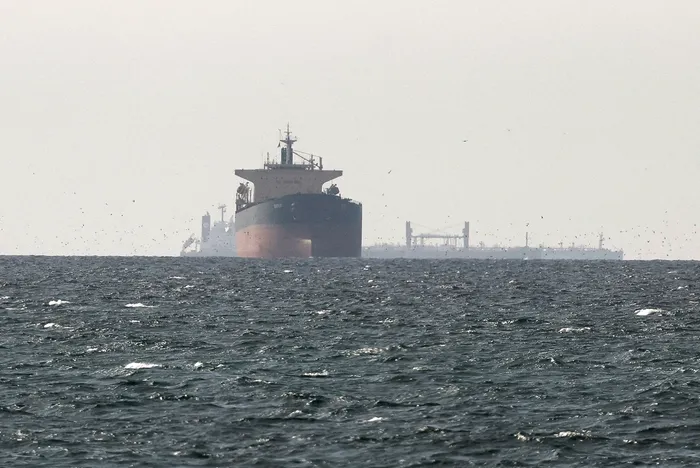
In a post on Truth Social, the president wrote Iran has “no cards” other than attempting to block commercial navigation through the Strait of Hormuz, which carries around one-fifth of the world’s oil on a normal day. The effective shutdown of the strait since Feb. 28 has sent oil, gas, and energy prices surging and has prompted fears about the global economy.
“The Iranians don’t seem to realize they have no cards, other than a short term extortion of the World by using International Waterways. The only reason they are alive today is to negotiate!” Trump wrote in the post.
The blockage of the strait has produced economic reverberations inside the United States. Consumer prices rose 3.3 percent in March from a year earlier, the Department of Labor said Friday, as the American Automotive Association reported that the average price for a gallon of gasoline increased to $4.15 nationwide, up from the $2.98 average a day before the war started.
The president gave his assessment as Vice President JD Vance is traveling to Islamabad for talks aimed at finding a permanent end to the conflict. Iran has not yet said who it will send to the ceasefire talks.
Before leaving for Pakistan, Vance suggested that the Iranians should be “willing to negotiate in good faith,” warning that if Tehran is “going to try to play us, then they’re going to find the negotiating team is not that receptive.”
Vance, however, said he believes the talks will be “positive” and indicated the U.S. government is “looking forward to the negotiation.”
Some Iranian officials, including Parliament speaker Mohammad Bagher Ghalibaf, have laid out demands before the talks between the two parties this weekend. Ghalibaf wrote on social media that two of the mutually agreed-upon points between the parties have yet to be implemented: a ceasefire in Lebanon and the release of blocked Iranian assets ahead of the negotiations.
“These two matters must be fulfilled before negotiations begin,” he wrote.
After the ceasefire was announced, both Israel and the Hezbollah terrorist group in Lebanon launched strikes on one another, with Israel’s military announcing Wednesday that 100 strikes were carried out in 10 minutes in southern Lebanon. Iranian officials have said that the ceasefire should include the Hezbollah–Israel conflict, while Israel has said it doesn’t.
The leader of Hezbollah, Naim Qassem, said in a statement carried by the group’s Al-Manar TV that the terrorist organization would continue to fight Israel and suggested local politicians in Lebanon should not agree to Israel’s requests.
Trump said Thursday in an interview with NBC News that he told Israeli Prime Minister Benjamin Netanyahu to dial back strikes in Lebanon ahead of the peace talks in Pakistan.
“I spoke with Bibi and he’s going to low-key it. I just think we have to be sort of a little more low-key,” Trump said in the interview, using a nickname for Netanyahu.
Netanyahu on Thursday said there’s no ceasefire in Lebanon, and Israel will keep striking Iran-backed Hezbollah militants there until security is restored in northern Israel. But he said he authorized direct negotiations with Lebanon “as soon as possible” aimed at disarming Hezbollah, which has long been designated as a terrorist organization by the U.S. State Department.
The Associated Press contributed to this report.