


By Troy Myers
DORAL, Fla.—Zarai Maza survived a torched vehicle and a horrific car crash after peacefully protesting the Venezuelan regime, an unacceptable act in her home country, where speaking out could cost you your life or those of your family members.
She said she believes that the Venezuelan dictatorship was trying to kill her over her activism.
“They started the persecution against me in 2014, and it lasted until 2017,” Maza said. “They made three assassination attempts against my life, and after the last one, I was in the hospital. I couldn’t remember anything.”
Holding back tears, Maza said the last encounter started off as a normal taxi ride. She recalled waking up in a hospital with no memory of what happened and no feeling in her body.
She moved to Florida in 2017, and after two years of physical therapy in the United States, she regained her ability to walk upright again.
She is among the millions of Venezuelans who have fled the brutal regime, which turned a prosperous country into a repressive, failed socialist nation. And like many Venezuelans at home and abroad, Maza cheered the U.S. military operation that captured Nicolás Maduro, the country’s leader, and his wife on Jan. 3 and brought them to New York City to face federal charges including narco-terrorism.
The pair pleaded not guilty to all charges on Jan. 5. If convicted, they face life in prison.
The Epoch Times spoke to dozens of Venezuelan expatriates, who shared grisly stories of survival, persecution, murder, harassment, and intimidation and explained how they rebuilt their lives after surviving the dictatorship. Their experiences are a sample of many accounts of how socialism not only ripped Venezuelan families apart, but also brought their country to ruin.
President Donald Trump said the United States will maintain control of Venezuela until a “safe, proper, and judicious transition” to a new government occurs, noting that U.S. oil companies would be involved in rebuilding the country’s economy.
Some Venezuelan expats told The Epoch Times that they may go back if the United States can help fix their country.
A Survivor Story
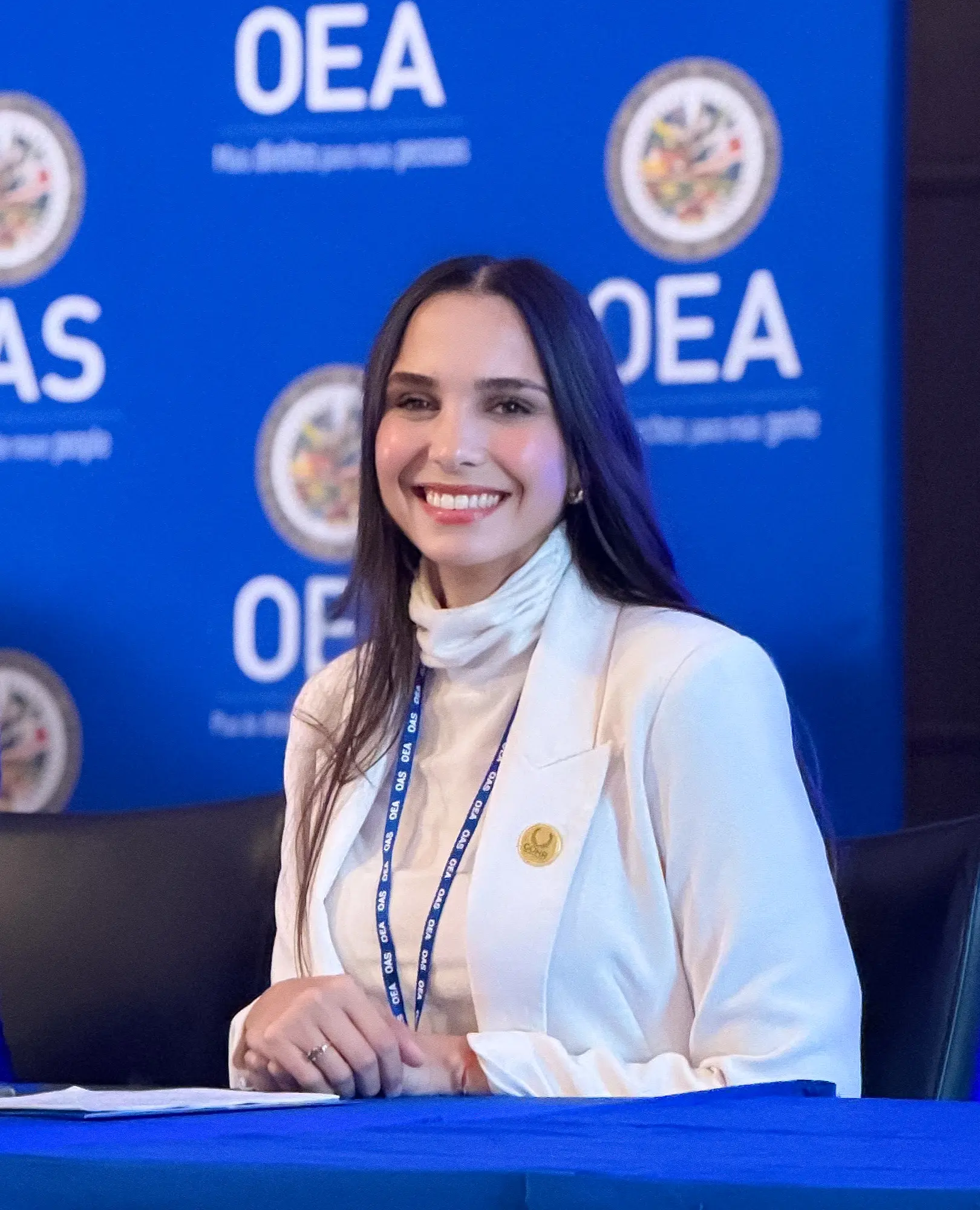
Maza is a human rights advocate and the founder and executive director of the Guardians of Human Rights Foundation, based in Doral, Florida. Her work as an activist goes back to about 2010, when she still lived in her home country and attended the Central University of Venezuela—before she faced three attempts on her life, which she believes were orchestrated by the Maduro regime.
Over the years in Venezuela, many of her fellow students and professors were unjustly imprisoned, she said. In clear anguish, she described the first attempt on her life during a peaceful protest on campus, when the Bolivarian National Guard of Venezuela came after her and others.
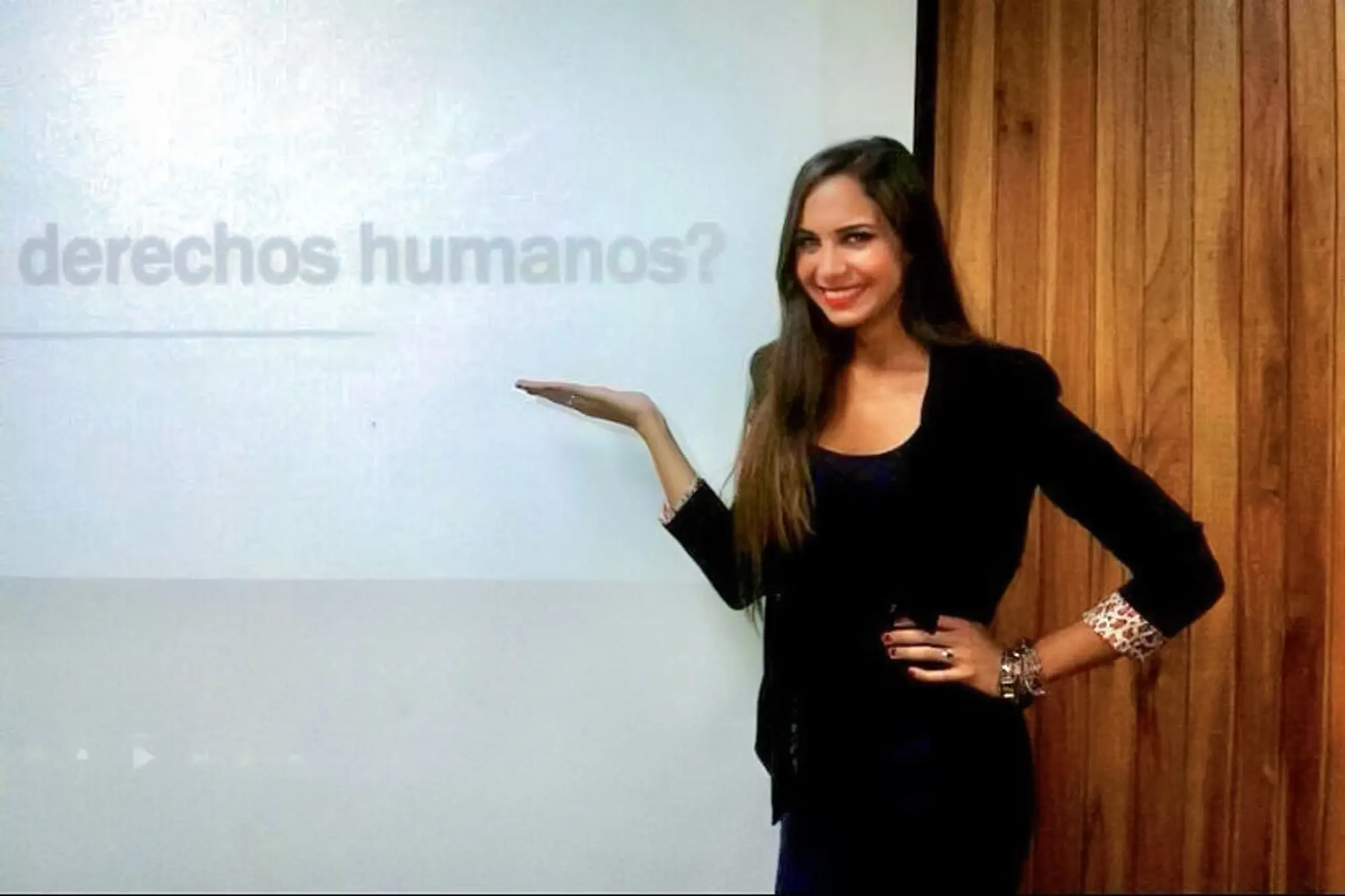
“I think that no American can imagine the fear that you can feel for just being—standing in a place,” Maza said.
She made it to an SUV with her mother, but then their vehicle was torched. Maza said her mother kicked the window out so they could escape the burning car. Maza later told The Epoch Times that her mother has since also fled Venezuela “for protection” and currently lives in the United States.
Maza stopped short of describing the second attempt on her life, saying that the memories were too painful.
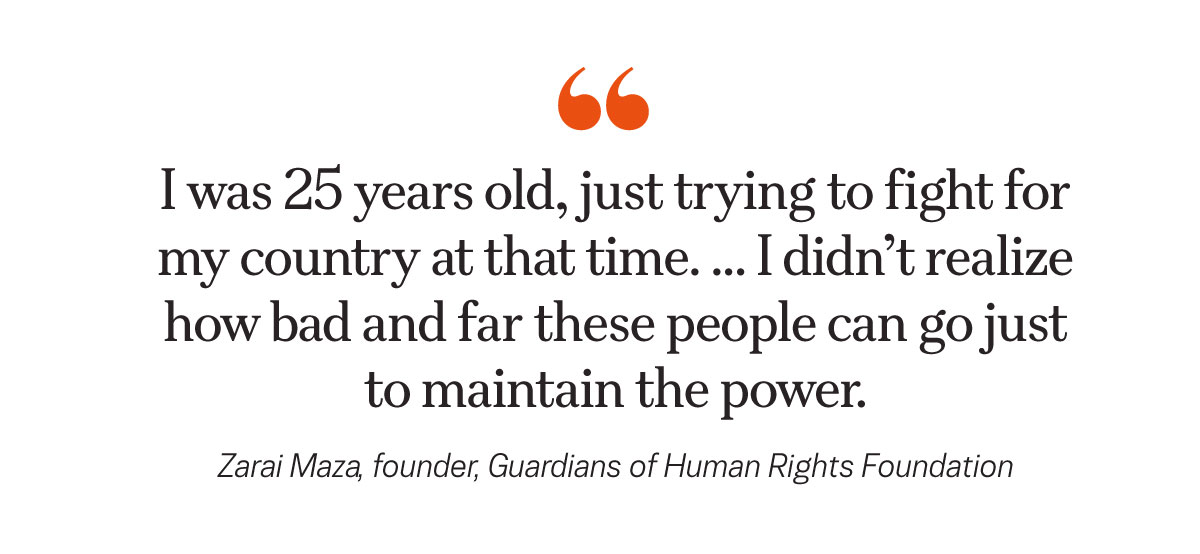
“Imagine that you can’t be in any place of the area that you live [in], that you love, that you grew up in,” she said. “They are after you in any place. … It almost makes me break.”
In the third attempt on her life, a vehicle caused Maza’s taxi to crash and flip, with her spine taking the brunt of the damage.
“I couldn’t move or feel my body,” Maza said. “I was 25 years old, just trying to fight for my country at that time. … I didn’t realize how bad and far these people can go just to maintain their power.”
Her symptoms—physical and mental—linger.
“There’s still things that I live with. … I don’t have enough strength in my hands,” Maza said, making a weak fist.
“Even now, when I’m in any place, and here comes a motorcycle, and I listen to the sound,” she said, trailing off.
Maza said it took years for her to be able to sleep comfortably at night after she moved to the United States.
Pressure and Murders
Carlos Higuerey came to the United States in 2018, after years of working for a state-run employer and a string of family deaths that he blames on the regime.
He said he worked as an accountant for 12 years at Venezuela’s state-owned oil and gas company, with access to information that he described as secretive and corrupt. Some of his family members also had ties to opposition politics in Venezuela, linking him to what his employers would call “escuálido”—those who oppose the government—or “Chavismo.”
The first death in Higuerey’s family occurred in 2010, when his father passed away.
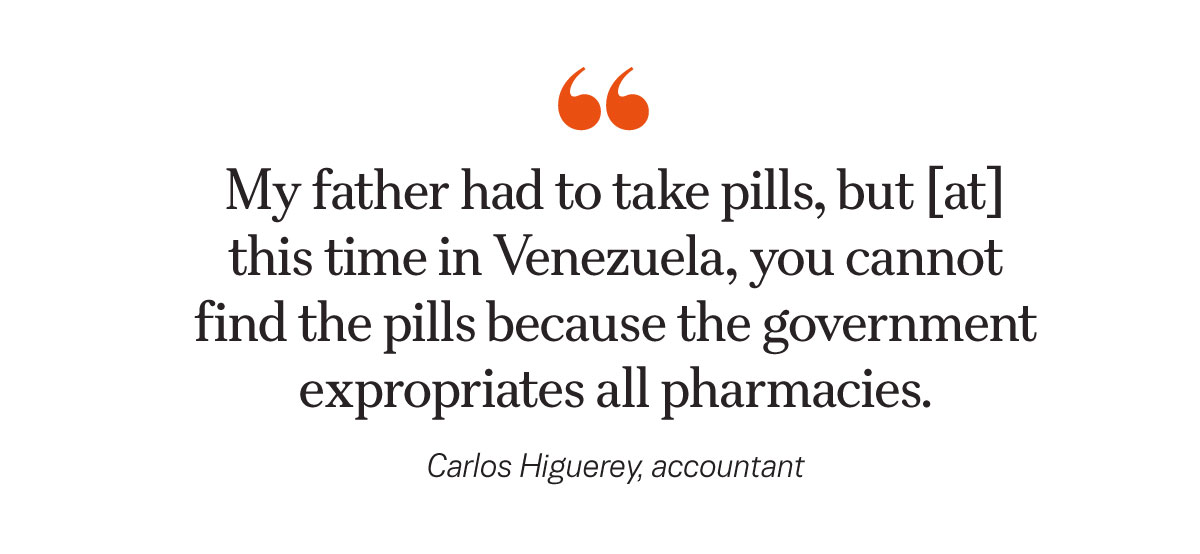
“My father had to take pills, but [at] this time in Venezuela, you cannot find the pills because the government expropriates all pharmacies,” he told The Epoch Times. “I buried people, a lot of people, for this reason.”
Within 10 days of his father’s death, his aunt and uncle were murdered inside their home, which Higuerey said he believes was orchestrated by the regime over political differences.
“There was blood on the walls,“ he said. ”It was a horror movie. It was horrible.”
When asked who would do that, he replied without hesitation, “The government.”
Just five months after his father, uncle, and aunt died, Higuerey said his brother was also killed over politics. After facing years of pressure and dealing with family members being murdered, he decided to take a break in 2018 and traveled to the United States.
At the time, he did not know that this trip would become a years-long stay.
“When I came here, the next day, I’m checking my phone,“ Higuerey said. ”I see a message from my neighbors. My sister was kidnapped.”
He said the neighbors witnessed government agents take her. The agents were really after Higuerey, for the secrets he knew about the oil company, he said. Although his sister was freed the next day, Higuerey said he faced a soul-crushing choice.
“I took the decision that I don’t want to come back to Venezuela,“ he said. ”I don’t want to feel under depression. I’m broke inside. I’m broke inside.”

His sister, 55, and her husband, 65, cannot leave Venezuela for a number of reasons, including their age and ability, he said.
Higuerey said he has not been back to Venezuela since leaving in 2018. He said he could not emphasize enough how heart-wrenching the decision was to leave his life, country, and family behind. It is a decision countless other Venezuelans have been forced to make.
“All families in Venezuela are broken, separated,” he said. “You have to say goodbye. I love you, but I say goodbye. I love my country, but I can’t stay there. I don’t have a future there. I don’t have peace.”
There are thousands of Venezuelans who are stuck, unable to make the decision to leave that he did, Higuerey said, referring to two people he knew who committed suicide rather than leave the country. Higuerey questioned how many thousands more lives have been lost this way under the socialist regime.
Restarting a life in a new country, especially when coming from nothing, requires putting in double or triple hours, working two jobs, and living in a hotel, all while carrying a deep sense of loss, he said.
But since moving to the United States, Higuerey said, he jokes and smiles more.
Ceaseless Harassment
A man and his family, who requested to remain anonymous out of fear of retaliation against remaining relatives in Venezuela, described how the regime crippled the man’s business.
Translating for him was his daughter, who explained how her father began work supplying canned food to Venezuelans.
“Since the food supply was so low, you wanted to do something,” the daughter said, referring to her father. “[The regime] kept taking a sum each time. It was bigger and bigger until it was every supply that they had.”
Eventually, money was taken as well. The army would come to the man’s office every month and give him a quota to meet. There was no negotiating.
“There was no way of saying ‘no’ because they could have kidnapped [family members]. … Anything could have happened,” the daughter translated.

If quotas were not met, the punishment was not typically brought down on parents. Instead, it was more common for the regime to kidnap and torture the children, the father said.
He said his relatives in Venezuela rely on the money he sends them to survive. Their salary is only $1 per month, he said.
Maduro took power in 2013, and from 2014 to 2021, Venezuela’s gross domestic product collapsed by about 75 percent, according to the International Monetary Fund (IMF).
Inflation spiked to more than 130,000 percent in 2018 and remained higher than 600 percent in 2025, the latest IMF data show.
A year after Maduro became leader, the unemployment rate was 8 percent. The rate has sharply increased since, reaching 35.6 percent in 2018, according to the latest available data from the IMF.
“Socialism is like a cancer,” the daughter translated.
When asked about what steps his country or the United States needs to take to fix Venezuela, the man struck his palm with his fist. He said Salvadoran President Nayib Bukele is a leader taking the right approach in fixing his country, deploying the military in the streets to root out and imprison violent gang members.
Venezuelan army members used to be viewed as very honorable and respected individuals, but now it is the complete opposite, the family said.
“It was so little by little that everybody just didn’t mind it,” the daughter translated. “There’s the army and there’s the armed groups, and you can’t tell which is which. Whoever gets you, the army or the armed groups, you can’t do anything. They’ll hit you. They’ll rob from you.”
The regime would take anything, the man said. He recalled that once, his family took a trip to the beach. When they passed through a checkpoint, army personnel stole some of their belongings, including a chair, beach towel, hat, and more.

Eventually, the family fled to survive.
“My dad sent me over here with my sister,” the daughter said. “When I was little, I didn’t understand.”
Her father said that if their home country can go back to being the country he remembers from his youth, only then would he return.
“He wants to die in his country, but he came here out of necessity,“ the daughter said. ”A lot of people come here out of necessity. It’s not that they want to stay here, it’s that they don’t have a choice.”
Surviving a socialist regime to start over in a new country is a task made possible only with support from communities such as the one in Doral, the family said.
Political Power, Persecution, and Fear
Daniel Tirado began his work in politics as a teenager, exposing himself early as an adversary to the brutal regime in power.
“I wanted to change the world,” he told The Epoch Times.
Motivated by the “severe democratic crisis” in Venezuela, he became an active member in the opposition movement to Maduro’s regime, participating in student movements and protests and directly supporting opposing leaders. Tirado learned quickly how dangerous a game he was playing.
“One of my friends, he was a councilman in the city where I used to live, he got beat … maybe three times,“ Tirado said. ”They almost killed him. In many occasions, I had to hide in my house. I couldn’t go outside.”
Tirado said he was also attacked by “colectivos,” or pro-government groups. Their purpose was to intimidate and punish opponents of the regime. These attacks were never reported out of fear of retaliation, as the ruling party controlled local authorities.

“I tried to fight against the government,“ he said. ”However, when you have this criminal structure against you, it’s not only about surviving; it’s about what they can do to your family.”
He said his sister and father are victims of political harassment and threats. The police tried capturing them both and they ultimately fled, according to Tirado. These events created a constant state of fear, he said, which forced more and more of his family into exile.
“The Venezuelan state is fully aware of my identity, political history, and activities, and … I continue to be viewed as an enemy of the regime even in exile,” Tirado said.
He said he cannot leave the United States to see his relatives because of his political refugee status. He said he has been unable to live a normal life.
“My separation from my family has been prolonged and painful,” Tirado said. “Living in exile has meant choosing safety over family unity, a sacrifice I never wanted to make but was forced to accept in order to survive.”
Although he lives outside of Venezuela now, he said the regime can still reach anywhere.

Many members of the Doral community have fought against and survived the brutal dictatorship in Venezuela.
“You’re never safe in Venezuela, and it doesn’t matter what you are doing,“ Tirado said. ”It doesn’t matter if you are a political activist, if you are a student, if you are a professional. If you think against them, if you try to act against them, you are a political target.”
Despite surviving a murderous socialist regime and enduring lingering mental and physical pain, the Venezuelans whom The Epoch Times spoke with did not appear to let this weigh them down.
Maza is leading initiatives to advance democracy and education across the Americas, Europe, and South Asia. Higuerey still works in accounting. The man who chose to remain anonymous helps run an air conditioning business. Tirado works adjacent to politics, balancing family and work life in South Florida and Washington.
Jacob Burg contributed to this report.