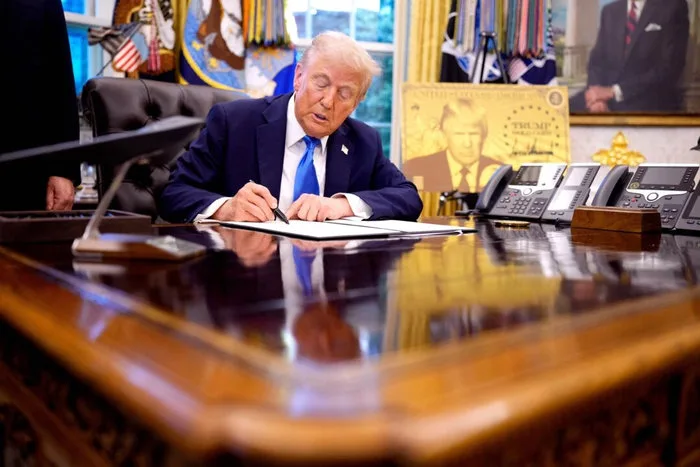
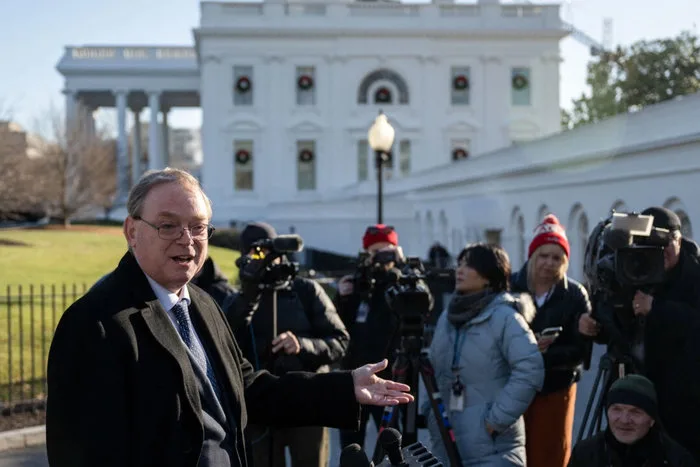

By Jack Phillips The White House’s National Economic Council director predicted the largest-ever tax “refund cycle” in 2026 as several measures included in a congressional spending bill that passed earlier this year are set to go into effect. “We are going to see the biggest refund cycle ever in the history of America, and people […]
Tag: Inflation
Inflation is the rate at which the general level of prices for goods and services rises, eroding the purchasing power of currency. In simpler terms, as inflation increases, each unit of currency buys fewer goods and services, leading to a decrease in the real value of money.
Causes of Inflation
Demand-Pull Inflation:
Occurs when the demand for goods and services exceeds their supply.
Often happens in a growing economy where consumers have more disposable income, leading to increased spending.
Cost-Push Inflation:
Happens when the costs of production increase, leading businesses to raise prices to maintain profit margins.
Common causes include rising wages, higher costs for raw materials, and increased energy prices.
Built-In Inflation:
Results from the expectation that inflation will continue, leading to a cycle of wage and price increases.
Workers demand higher wages to keep up with rising living costs, and businesses raise prices to cover higher wage costs.
Monetary Inflation:
Linked to an increase in the money supply. When there’s more money circulating in the economy without a corresponding increase in goods and services, prices rise.
Central banks, like the Federal Reserve in the U.S., control the money supply through monetary policy.
Imported Inflation:
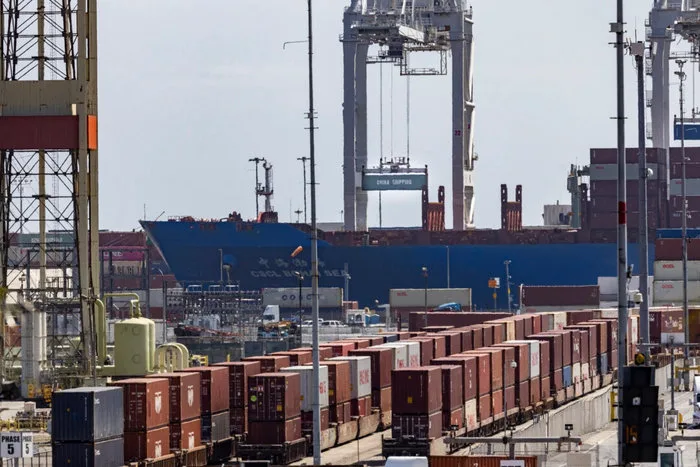
Occurs when the prices of imported goods rise, often due to exchange rate changes or increased costs in the producing country.
This can lead to higher overall price levels domestically.