
By Stephen Zogopoulos, USNN World News
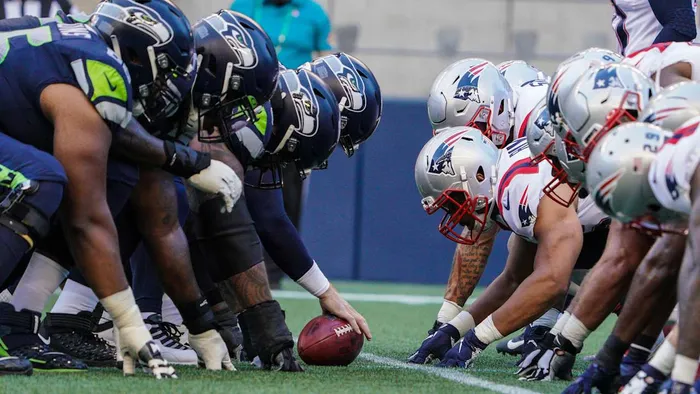
February 14, 2026 – In the aftermath of Super Bowl LX, where the Seattle Seahawks dismantled the New England Patriots 29-13 at Levi’s Stadium in Santa Clara, California, the NFL and its broadcast partners at NBC were quick to trumpet the event as another triumphant chapter in American sports entertainment. Official statements highlighted near-record viewership, with Nielsen’s Big Data + Panel methodology reporting an average of 124.9 million viewers for the game across NBC, Peacock, Telemundo, NBC Sports Digital, and NFL+. The halftime show, headlined by Puerto Rican rapper Bad Bunny with guest appearances from Lady Gaga, Ricky Martin, and others, was similarly hailed as a cultural milestone, averaging 128.2 million viewers during its 8:15-8:30 p.m. ET slot. Peak audience figures even set a new U.S. record at 137.8 million during the second quarter, surpassing last year’s high.
But peel back the layers of this glossy narrative, and a starkly different picture emerges—one that suggests the league and networks may be inflating perceptions of success to mask underlying declines. Alternative metrics from Samba TV, a leading smart TV measurement firm, paint a portrait of viewer disengagement, with household viewership dropping significantly compared to recent years. This discrepancy raises uncomfortable questions: Are the NFL’s “official” numbers a reliable barometer of cultural dominance, or are they a carefully curated facade designed to sustain advertiser enthusiasm and league prestige?
Let’s dive deep into the data to unpack this. Nielsen’s figures position Super Bowl LX as the second-most-watched Super Bowl ever, trailing only last year’s Super Bowl LIX (Philadelphia Eagles’ 40-22 win over the Kansas City Chiefs), which drew 127.7 million viewers on FOX. On the surface, 124.9 million is an impressive tally—still dwarfing any other U.S. telecast in 2026 and representing a household rating of 39.4, meaning nearly 40% of U.S. TV homes tuned in at some point. Bad Bunny’s performance, the first Super Bowl halftime show delivered entirely in Spanish, was positioned as a historic moment, boosting Telemundo’s viewership to a peak of 4.8 million during the show—the highest for any Spanish-language Super Bowl halftime. Social media buzz was immense, with the NFL reporting 4 billion views across platforms within 24 hours, a 137% increase from 2025.
Yet Samba TV’s granular analysis of over 48 million opted-in smart TV households tells a tale of erosion. According to their data, only 48.6 million U.S. households watched the game—a 13% plunge from Super Bowl LIX’s 55.9 million (adjusted for methodology consistency). More damningly, halftime viewership cratered to 26.5 million households, a staggering 39% drop from Kendrick Lamar’s 43.4 million in 2025. This implies that over 22 million households—nearly half of the game’s audience—tuned out before or during Bad Bunny’s set, with viewership dipping to just 88% of the game’s average during the performance. Samba’s metrics, which focus on actual device engagement rather than extrapolated panels, highlight a “viewership dip” explicitly tied to the halftime show.
Why the chasm between Nielsen and Samba? Nielsen’s Big Data + Panel system, introduced in 2025, incorporates out-of-home viewing, streaming, and co-viewing multipliers to inflate totals—factors that can overestimate by accounting for multiple viewers per device or delayed watches. Critics argue this methodology, while innovative, allows for broader interpretations that serve broadcaster interests. Samba TV, by contrast, measures direct smart TV tune-ins, offering a more conservative but arguably purer snapshot of household commitment. In past years, Samba has consistently reported lower figures than Nielsen, but the 2026 gap is particularly pronounced, fueling speculation that the NFL’s “success” narrative relies on cherry-picked data to obscure trends like cord-cutting, viewer fatigue, and cultural divides.
Bad Bunny’s selection as headliner—announced in September 2025 as the first solo Latino and Spanish-speaking artist— was meant to broaden appeal, tapping into his status as the world’s most-streamed artist in 2025. His 13-minute set, a vibrant tribute to Puerto Rican culture featuring hits like “Tití Me Preguntó” and “Yo Perreo Sola,” included surprises like a duet with Lady Gaga on “Die With a Smile” and a real-life wedding onstage. While it garnered praise for its energy and inclusivity, the all-Spanish format sparked backlash from some quarters, potentially alienating English-dominant audiences. YouTube views for the official halftime upload have since topped 69 million globally, but this post-event consumption doesn’t reflect live engagement.
Enter Turning Point USA (TPUSA), the conservative nonprofit founded by the late Charlie Kirk, which seized on this discontent with its “All-American Halftime Show.” Streamed live on YouTube as counterprogramming, the pre-recorded event featured Kid Rock, Gabby Barrett, and others in a patriotic, English-language spectacle dubbed a “real halftime show” by fans. Concurrent viewership peaked at 6.1 million during the head-to-head window with Bad Bunny, with around 5 million steady viewers—a fraction of the Super Bowl’s scale but remarkable for a grassroots alternative without traditional broadcast backing. As of February 14, total views have climbed to over 21 million on YouTube alone, plus airings on Christian network TBN (viewership figures pending). TPUSA’s effort, endorsed by figures like Frank Luntz and Pete Hegseth, underscores a cultural schism: While Bad Bunny aimed for global unity, TPUSA tapped into a segment feeling sidelined by the NFL’s progressive leanings.
This isn’t the first time Super Bowl ratings have sparked debate. Post-2016, traditional TV numbers dipped amid anthem protests and COVID impacts, but Nielsen’s expansions have propped up totals since 2023. Yet Samba’s consistent declines—now a three-year trend in halftime engagement, down 12% overall since 2024—suggest the league’s dominance may be waning. Factors like game mismatch (a rematch of Super Bowl XLIX with lower stakes), streaming fragmentation, and performer polarization could explain the drop. The NFL’s rapid release of preliminary peaks and social metrics, without immediate Samba corroboration, smells of spin—especially when early misinformation flooded social media with falsified highs of 135-142 million for halftime.
In my view, the NFL and networks are guilty of narrative engineering, prioritizing advertiser-friendly headlines over transparent analysis. By leaning on Nielsen’s expansive counts while downplaying Samba’s household realities, they perpetuate a myth of unassailable popularity. Super Bowl LX wasn’t the blockbuster they claim; it was a turning point signaling potential viewer apathy. If the league doesn’t address these fissures—perhaps by balancing cultural representation with broad appeal—their “success” could prove as illusory as a mirage in the California desert. For now, the real winners might be alternatives like TPUSA, proving that in a divided America, there’s room for more than one halftime narrative.
Disclaimer: This opinion piece is based on publicly available ratings data from Nielsen and Samba TV, as well as reported viewership for alternative programming. While factual sources are cited, the analysis reflects the author’s perspective on discrepancies in reported success metrics. USNN World News encourages readers to verify data independently.