

By Kimberly Hatek
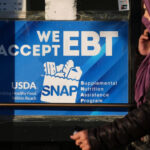
Residents in five states receiving federal food assistance will face new restrictions on their benefits when it comes to purchasing soda, candy, and other items categorized as unhealthy starting Thursday, marking the first push to overhaul the Supplemental Nutrition Assistance Program (SNAP).
Indiana, Iowa, Nebraska, Utah, and West Virginia are leading the charge on the new restrictions through waivers approved by the U.S. Department of Agriculture (USDA).
The changes affect about 1.4 million SNAP participants under the Trump administration’s Make America Healthy Again initiative, pioneered by Health and Human Services Secretary Robert F. Kennedy Jr. and Agriculture Secretary Brooke Rollins.
The effort targets obesity and diabetes tied to sugary beverages and snacks. SNAP, which assists 42 million Americans at a cost of $100 billion annually, has long permitted purchases of most foods except alcohol, tobacco, and hot prepared items.
“We cannot continue a system that forces taxpayers to fund programs that make people sick and then pay a second time to treat the illnesses those very programs help create,” Kennedy said in a December statement.
Utah and West Virginia will prohibit soda and soft drinks. Nebraska’s ban covers soda and energy drinks. Indiana will ban soft drinks and candy. Iowa imposes the broadest limits, barring taxable foods such as soda, candy, and some prepared items.
SNAP Obesity Rates
SNAP participants had an almost double obesity rate than eligible non-participants, with 30 percent versus 17 percent, according to a National Institutes of Health study.
The restrictions represent a shift from historical federal policy under the 1964 Food Stamp Act and 2008 Food and Nutrition Act, which stressed broad access. Past proposals to restrict items, including steak or junk food, were shot down due to implementation costs and unclear health benefits, according to USDA studies. In September, the USDA proposed changing SNAP stocking rules for retailers to provide healthier food options in the program.
Under the current administration, states are incentivized to apply for waivers so they can introduce restrictions.
“This isn’t the usual top-down, one-size-fits-all public health agenda,” Indiana Gov. Mike Braun said while announcing his state’s request last spring. “We’re focused on root causes, transparent information, and real results.”
The Trump administration has approved related restrictions in six other states—Hawaii, Missouri, North Dakota, South Carolina, Tennessee, and Virginia—per the broader Make America Healthy Again initiative.
Oklahoma has also requested exclusions for soda and candy, while Kennedy has urged governors nationwide to remove sugary drinks from SNAP, highlighting health concerns.
The waivers are good for two years and can be extended by an additional three years, with evaluations along the way.
The Associated Press contributed to this report