
By Guy Birchall
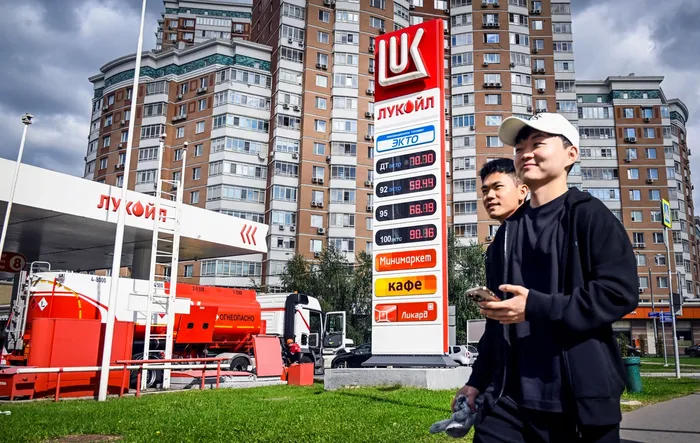
Russia extended a temporary ban on gasoline exports to producers, Moscow said on April 2, citing the need to stabilize the domestic market ahead of peak seasonal demand and higher global oil prices linked to the Middle East conflict.
The move builds on restrictions adopted in January that included gasoline, diesel fuel, and marine fuel through July 31, 2026, but exempted gasoline exports by producers. The ban does not apply to countries with which Russia has intergovernmental agreements on fuel supplies, such as Mongolia.
The resolution is effective immediately and will remain in place until July 31, Moscow said.
Some regions within Russia and parts of Russian-controlled Ukraine reported gasoline shortages last year after Kyiv attacked Moscow’s oil refineries and amid a seasonal surge in fuel demand.
Russia has repeatedly imposed curbs on gasoline and diesel exports to rein in rising fuel prices and address shortages.
Russia exported about 4.7 million metric tons of gasoline last year, according to Russian business publication Kommersant, citing industry data.
Several countries have taken measures to mitigate the spike in energy costs driven by the ongoing war in the Middle East.
South Korean President Lee Jae Myung on April 2 urged citizens to save “even a drop of oil.”
In a parliamentary address outlining a 26.2 trillion won ($19.5 billion) supplementary budget, Lee said that disruption to oil supplies had pushed up fuel prices and threatened key industries, from plastics to fertilizer production.
Hungary on March 9 introduced a price cap for gasoline and diesel in response to the rising price of energy, setting the cap for gasoline at 595 forints ($1.80) per liter—about $6.80 per gallon—and the cap for diesel at 615 forints ($1.86) per liter, or $7.04 per gallon.
The Czech government similarly agreed to cap fuel retailers’ margins and lower the excise tax to limit fuel price rises, the nation’s prime minister, Andrej Babis, said on April 2, according to Czech news website idnes.cz.

Poland also slashed value-added tax on fuels from 23 percent to 8 percent on March 31 and reduced excise duties to the EU minimum through mid-April, according to Notes from Poland, an English-language website covering current affairs. Poland also introduced daily maximum retail price caps at petrol stations with fines of up to 1 million Polish zlotys ($270,000) for violations.
The actions by governments come as oil prices remain volatile, with Brent crude jumping more than 7 percent to trade near $108 a barrel after U.S. President Donald Trump said in a prime-time address on April 1 that the United States would hit Iran “extremely hard” in the coming weeks and “bring them back to the Stone Ages where they belong.”
Last week, Brent crude oil futures prices breached the $115-per-barrel level during late March 29 trading.
Reuters contributed to this report.