

By Panos Mourdoukoutas
The first quarter of 2026 marked a renewed wave of megamergers in the food industry, as companies sought scale, efficiency, and synergies to navigate a more challenging global economic environment.
The return of large-scale consolidation reflects a broader shift in corporate strategy, as companies respond to persistent cost pressures, slower growth, and changing consumer behavior by pursuing size and operational leverage.
Back-to-Back Deals
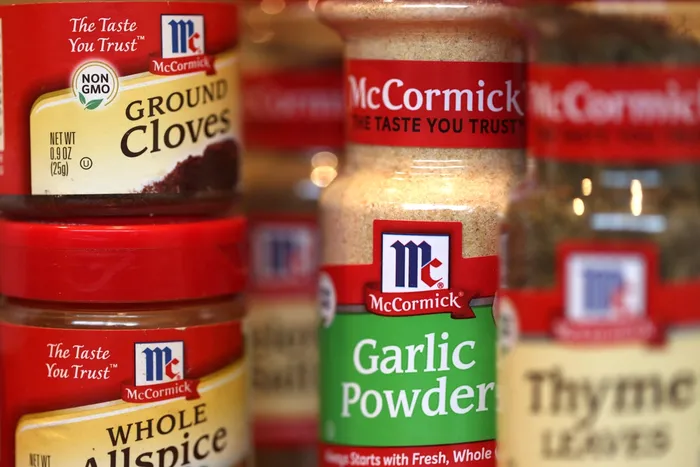
The trend was highlighted by Sysco’s agreement to acquire Jetro Restaurant Depot for approximately $29.1 billion, and by McCormick’s combination with Unilever Foods, valued at about $44.8 billion.
According to London Stock Exchange Group, McCormick’s deal ranked second globally in the first quarter, trailing Amazon’s $50 billion investment in OpenAI, while Sysco’s ranked seventh—marking the first time since 2015 that two U.S. consumer deals have entered the global top 10 in the same quarter.
In a statement on March 30, Sysco—a global leader in the sale, marketing, and distribution of food and related products to restaurants and institutional customers—outlined the rationale for its acquisition. Jetro Restaurant Depot, a leading U.S. wholesale cash-and-carry food service provider serving smaller, independent restaurants and businesses, is expected to help create a one-stop-shop model for chefs and restaurant owners, aimed at expanding revenues and improving margins.
“We’re thrilled to combine two industry leaders to create a preeminent multi-channel foodservice distribution platform,” said Kevin Hourican, chair of the board and CEO of Sysco.
“Together, Sysco and Jetro Restaurant Depot will enhance value for small independent restaurants and the consumers they serve by expanding access to more affordable, fresh food products and delivering more choice and convenience.”
Hourican said the deal would strengthen both companies’ operating capabilities. Jetro is expected to benefit from Sysco’s supply chain and logistics infrastructure, while Sysco gains access to new distribution channels targeting local customers.
“The combined company will have increased purchasing efficiencies, enabling lower prices for more customers. Even more importantly, we see a long runway of opening new Jetro Restaurant Depot warehouses, bringing the industry leader in affordability to hundreds of new communities and creating thousands of new jobs. This will allow us to create significant value for our company, our customers, and our shareholders,” Hourican added.
A second major transaction, announced on March 31, involves McCormick’s merger with Unilever Foods, a Unilever division, creating a global flavor-focused company with complementary geographic reach and product portfolios spanning herbs, spices, seasonings, condiments, and sauces.
A Central Theme
The combination underscores a central theme in today’s merger and acquisition (M&A) environment: Companies are seeking both economies of scale and economies of scope to strengthen pricing power, reduce costs, and compete more effectively in mature, slow-growth markets.
“The Unilever Foods business is one we have long admired, with a portfolio that complements our existing business, capabilities, and long-term vision,” said Brendan Foley, chairman, president, and CEO of McCormick.
“This combination will create a diversified flavor leader with a robust growth profile that remains differentiated by its focus on flavoring calories while others compete for them.”
The scale and scope of these transactions echo earlier waves of consolidation, particularly in the 1980s, when companies pursued transformative deals to gain market share and operational efficiencies. Transactions such as KKR & Co.’s acquisition of RJR Nabisco, Philip Morris’s purchase of Kraft, and Grand Metropolitan’s acquisition of Pillsbury reshaped the food industry’s competitive landscape.
As in previous cycles, the current wave of mergers is unfolding amid economic pressures. In the United States, tariffs and supply chain shifts have tilted the competitive balance toward domestic producers, while rising living costs have made consumers more price-sensitive, forcing companies to focus on efficiency and value.
At the same time, global conditions remain uneven. In Europe, economic stagnation and currency dynamics have constrained growth, prompting companies to seek expansion through consolidation rather than organic growth.
Corporate-Buyer Confidence
“Q1’s resurgence in megadeals signals renewed confidence among well-capitalized buyers, even amid geopolitical and macroeconomic uncertainty. In the consumer sector, strategic acquirers are pursuing scale to respond more quickly to changing consumer preferences, persistent cost pressure, and a more competitive market,” Joseph J. Raetzer, a corporate attorney, told The Epoch Times.
Raetzer said the rationale behind these deals reflects the belief that size can deliver efficiency gains and strengthen competitive positioning, although execution risks remain.
“At the end of the day, the real question is whether these buyers can integrate the businesses after closing and produce the synergies the deal was supposed to deliver,” he added.
Alex Lubyansky, an M&A attorney, said the return of megadeals reflects improving financial conditions and strategic urgency among corporate buyers.
“What’s driving it is a mix of stabilized financing markets, pressure to deploy capital, and a belief that consolidation will create immediate pricing and operational leverage in fragmented consumer sectors,” he told The Epoch Times.
Lubyansky noted that sustained consolidation will likely concentrate the industry, resulting in fewer, larger companies with greater supply chain power.
“Consumers may not notice right away, but in time, we’ll see stricter pricing, less competition, and more standardized products,” he said.
Michael Cramer, CEO of Adagio Teas, pointed to broader economic forces behind the resurgence in megadeals.
“The prevalence of megadeals is driven by the poor economic environment, most pronounced at the bottom of our K-shaped economy, but recently starting to affect affluent consumers as well,” he told The Epoch Times.
Cramer said many Americans without financial assets have effectively been in a prolonged downturn.
“Their plight had been masked by the profligacy of consumers who have benefited from the spectacular run-up in equities and home values,” he said.
He added that those gains have recently stalled, with home prices declining in more than half of U.S. states and equity markets moving sideways since last October.
“The positive wealth effect that the top of the K experienced since the pandemic had stalled, and with it, consumer spending. To get consumers to spend, retailers must sweeten the offer. Hence, the appearance of megadeals in the first quarter of this year,” he said.
The renewed wave of consolidation may suggest that, in a slower-growth and higher-cost environment, scale is once again emerging as the dominant strategy for companies seeking to protect margins and sustain growth.
Reuters contributed to this report.