
By Andrew Moran
Treasury Secretary Scott Bessent confirmed last week that several U.S. allies in the Gulf region and Asia have requested currency swap lines with the United States.
The war in Iran—now in its ninth week—has adversely affected economies, from energy shocks to currency volatility, prompting foreign exchange swaps to address dollar liquidity challenges.
While countries have been apprehensive to confirm reports, Bessent said swaps would be beneficial to Washington and nations that have asked for assistance.
“Swap lines, whether it’s from the Federal Reserve or the Treasury, are to maintain order in the dollar funding markets and to prevent the sale of the U.S. assets in a disorderly way,” Bessent told lawmakers at an April 22 Senate Appropriations subcommittee budget hearing.
“So the swap line would benefit both the [United Arab Emirates] and the United States, and as I said, numerous other countries, including some of our Asian allies, have also requested them.”
Here is what to know about currency swap lines.
What Are Currency Swaps?
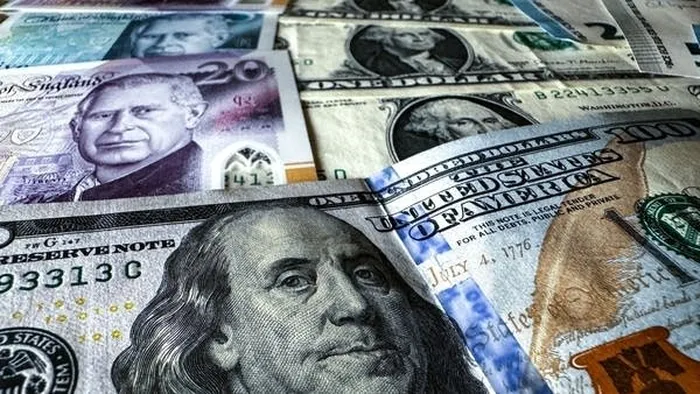
Swap lines allow a central bank to borrow a foreign currency—such as U.S. dollars, euros, or Japanese yen—from another institution temporarily in exchange for its own currency as collateral.
The two central banks agree to reverse the exchange at an agreed date at a rate reflecting interest. If the currency strengthens, the United States makes money—if it weakens, America loses.
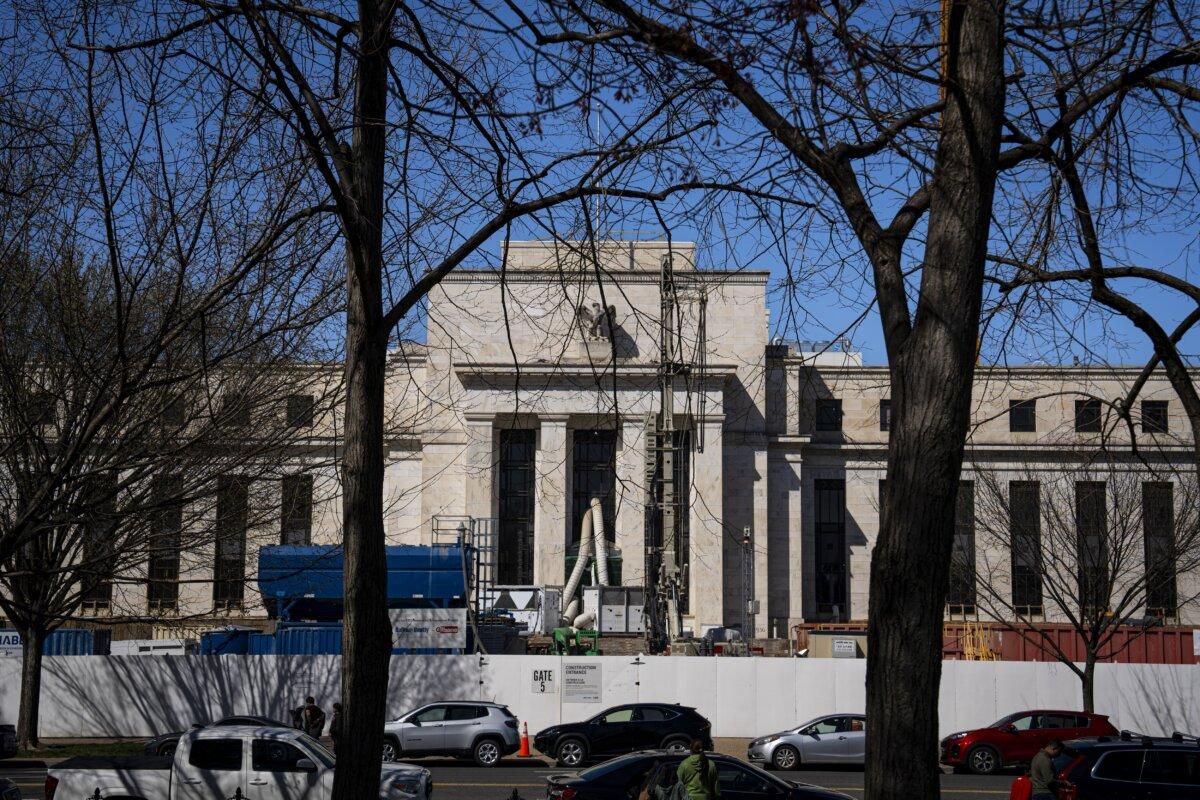
The swap line enables central banks to lend foreign currency to domestic banks—they cannot create the money themselves—effectively serving as a liquidity source for global funding markets.
These exchanges typically happen during market stresses, economic uncertainty, or geopolitical strife. A currency swap can also be used as a preventive measure to ensure that foreign banks holding dollar-denominated assets do not initiate a fire sale to plug any greenback shortages.
For example, let’s say the Bank of England transfers pounds to the Federal Reserve for dollars. The Bank of England then lends those dollars to British financial institutions to meet funding obligations, whether rolling over dollar-denominated debt or settling trades. The Fed will then return the pounds for dollars on a specified date.
How the News Began
In an interview with CNBC’s “Squawk Box” on April 21, President Donald Trump said that Washington and the United Arab Emirates might soon be working on a dollar–dirham arrangement.
“If I could help them, I would,” the president said. “It’s been a good country. It’s been a good ally of ours.”
Abu Dhabi pushed back somewhat after the president’s comments.
“Any suggestion that the UAE requires external financial backing misreads the fact,” Yousef Al Otaiba, Emirati ambassador to the United States, said in an April 21 post on X.
But if countries are showing even a modicum of interest in obtaining access to a dollar swap line, it suggests some strain is building, says Padhraic Garvey, regional head of research at ING.
“This indicates that there is at the very least a need for dollars, and it’s likely a preventative measure, rather than reflecting a front-and-centre problem,” Garvey said in an April 22 note.
“It shows that access to dollars remains an ongoing thing for the global system, no doubt amplified by higher energy prices (denominated in dollars).”
It’s Happened Before
The last time the United States launched a currency swap was late last year with Argentina.
Following local elections that devastated Argentine President Javier Milei’s La Libertad Avanza, the country’s financial markets were in turmoil over fears that the libertarian-leaning leader’s fiscal agenda were under threat. Stocks tanked, the peso plummeted, and bond prices declined.
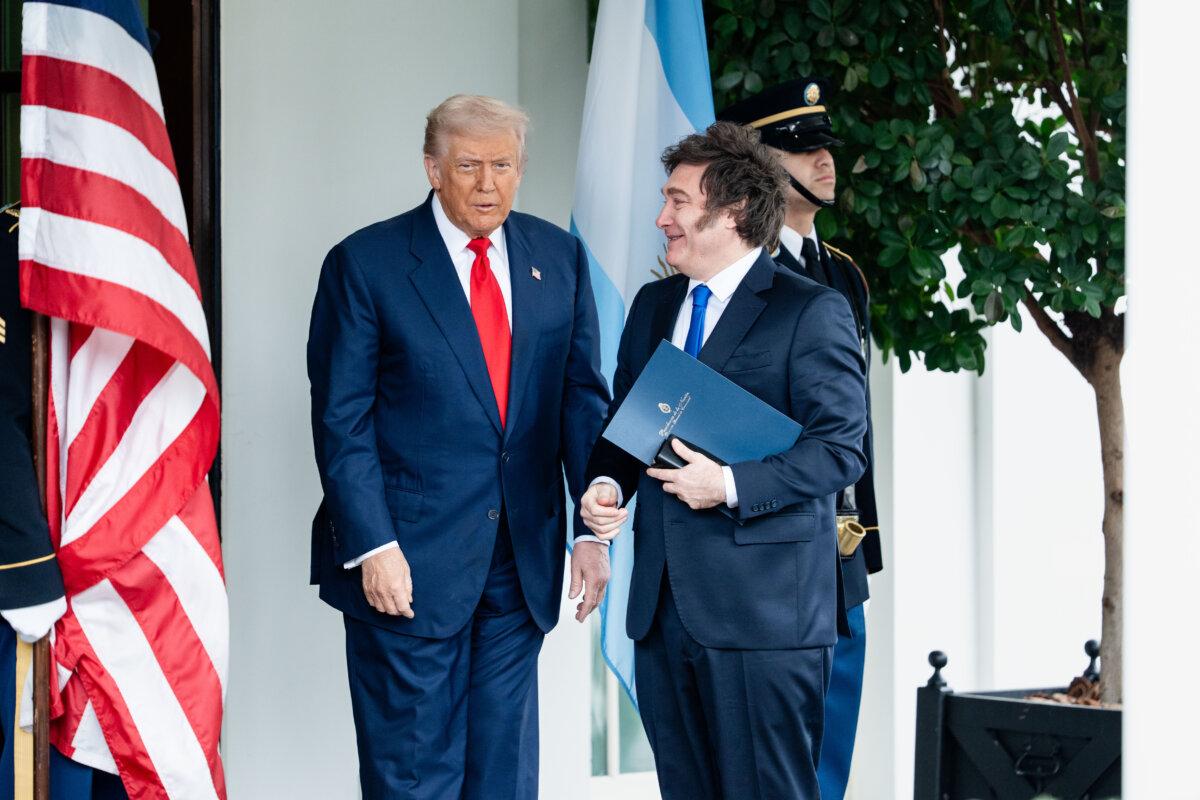
Worried that Milei’s grip on power would erode, the United States created a $20 billion swap with Buenos Aires, halting the cash crunch. The agreement stabilized financial conditions in the Latin American economy. Milei handily won the legislative elections, and his government repaid the drawdown on the swap line in January.
The United States has a long history of currency swaps.
While the Treasury Department could handle swaps going forward, the Federal Reserve has historically managed these lines because it controls more resources. Most notably, the Fed launched a plethora of swap lines at the onset of the global COVID-19 pandemic.
Across the global economy, countries were facing dollar shortages amid widespread upheaval. The U.S. central bank quieted things down by injecting billions of dollars into international markets.
Similar dollar swaps transpired in the 1960s as the world tried to preserve the Bretton Woods System. Swap lines were also started following the Sept. 11, 2001, terrorist attacks and the 2008 global financial crisis.
Dollar Supremacy
Currency swaps can be used to flex and maintain the international dollar supremacy.
The dollar has been the world’s chief reserve currency since the end of World War II. Today, the greenback dominates reserves (nearly 60 percent), trade (54 percent), and forex transactions (89 percent), according to the U.S. think tank Atlantic Council.
Over the past decade, a coalition of nations led by China and Russia has been at the helm of an anti-dollar crusade, a global push to dethrone the king dollar and install a currency like the yuan. The Iran war could resuscitate the threat, which has been dormant for the past year.
Saudi Arabia began pricing its crude oil in dollars in the 1970s in exchange for security commitments. The flow of oil and other goods throughout the Middle East is under threat due to the war in Iran. If these products cannot be shipped, Gulf countries cannot receive dollars upon settlement. This creates liquidity risks, which could intensify the longer the conflict lasts.
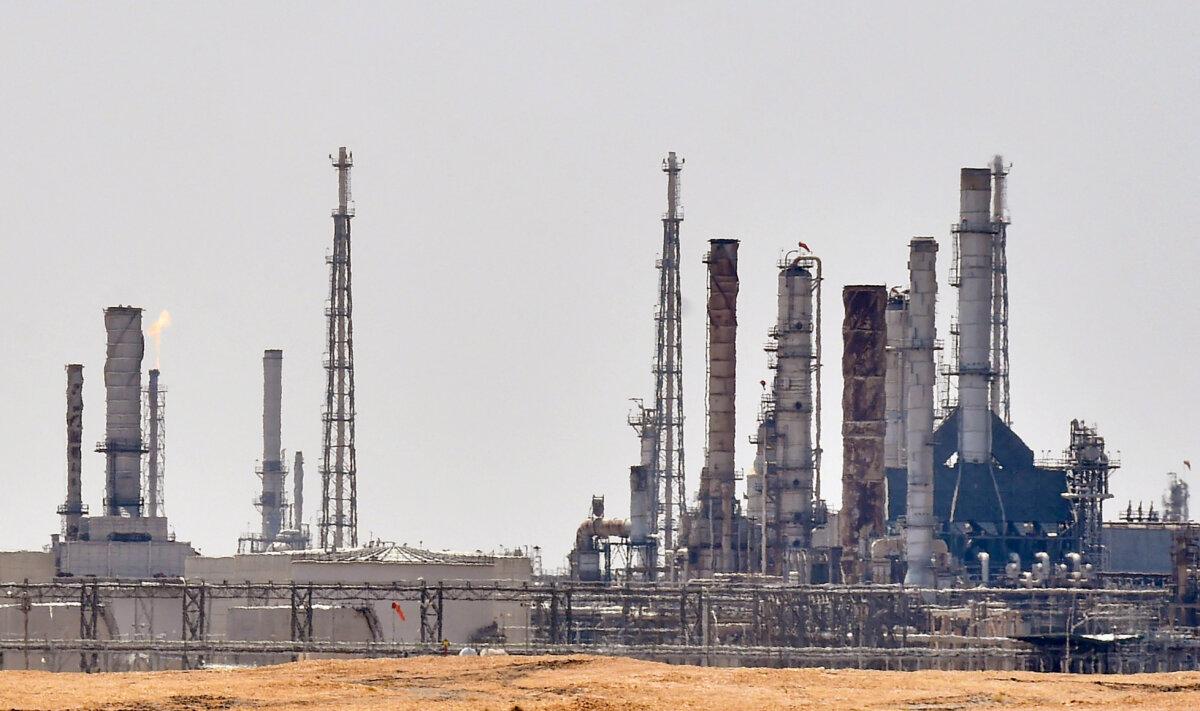
If the United States does not plug the hole, nations may look toward China for assistance, as they have done in recent years.
According to data gathered by the Council on Foreign Relations, China accounted for almost half of the world’s currency swap lines in 2025. It is unclear whether Beijing has opened swaps during the Iranian conflict, but if the Chinese regime takes advantage of the chaos and the yuan moves into global markets, the danger of de-dollarization could be revived.
For now, the dollar is not under substantial pressure, and the yuan is not becoming ubiquitous in the Gulf, says Jason Tuvey, deputy chief emerging market economist at Capital Economics.
“Detailed trade figures from China, for March, provided early signs that domestic demand in the Gulf collapsed last month—something likely to be confirmed by the Saudi Q1 GDP figures due next week. And the Q2 data are likely to be a lot worse,” Tuvey said in an April 23 note.
“Requests by the Gulf countries for US currency swap lines appear aimed at meeting dollar demand without drawing down FX assets and are not a signal that dollar pegs are under threat.”
At the height of the war, the U.S. Dollar Index—a measure of the buck against a weighted basket of currencies—strengthened as much as 2 percent, reaffirming its safe-haven status in the world.
Guy Birchall contributed to this report.