

By Andrew Moran
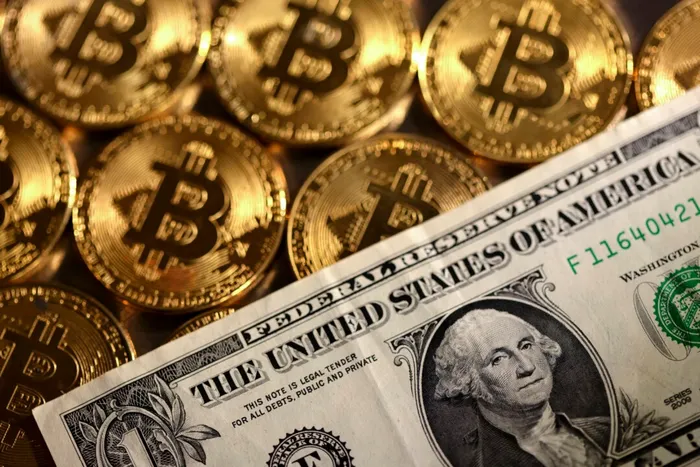
Winter has arrived in the cryptocurrency market, as bitcoin has fallen below $70,000 for the first time since October 2024 amid the industry’s sell-off.
On the Chicago Mercantile Exchange, the price of one bitcoin fell by $4,910, or 6.67 percent, to $68,536 at 10:08 a.m. ET on Feb. 5.
Bitcoin—the flagship cryptocurrency that accounts for approximately 60 percent of the market—has plunged by about 45 percent since reaching an all-time high of $127,240 in October 2025. This year, it has declined by more than 20 percent.
Other crypto markets have also slumped, including Ethereum (minus 6 percent), XRP (minus 12 percent), Solana (minus 4 percent), and Cardano (minus 6 percent).
Liquidations have exacerbated the bearish situation. CoinGlass data suggest that more than $2 billion in long and short positions have been liquidated since the start of the trading week.
Looking ahead, investor confidence in cryptocurrency has been called into question, with the CoinMarketCap fear and greed index in “extreme fear” territory.
This is a complete reversal from 2025, according to Noelle Acheson, author of the Crypto is Macro Now daily newsletter.
“The crypto landscape has also taken on a different rhythm,” Acheson wrote on Feb. 5.
“For one, the mood couldn’t be more different: excitement last year, frustration and despair now. And that’s despite the regulatory and infrastructure progress. Understandable – prices set narrative, and they’re lower and heading down.”
As it became a major asset among institutional investors, bitcoin and other tokens were marketed as a hedge against market volatility and a store of value. However, the sharp drop in crypto prices coincides with the broader market’s recent losses.
All leading U.S. stock market benchmarks declined on Feb. 5, as geopolitical tensions and tech-related weakness weighed on equities.
“The move mirrors ongoing volatility in global equities, reinforcing crypto’s behaviour as a risk-sensitive asset in the current environment,” Saxo Bank strategists said in a Feb. 5 note.
“As long as equity volatility remains elevated, crypto may struggle to stabilise decisively.”
Seeing Red in Gold and Silver
And although bitcoin has underperformed gold and silver, the metals market has slumped as well.
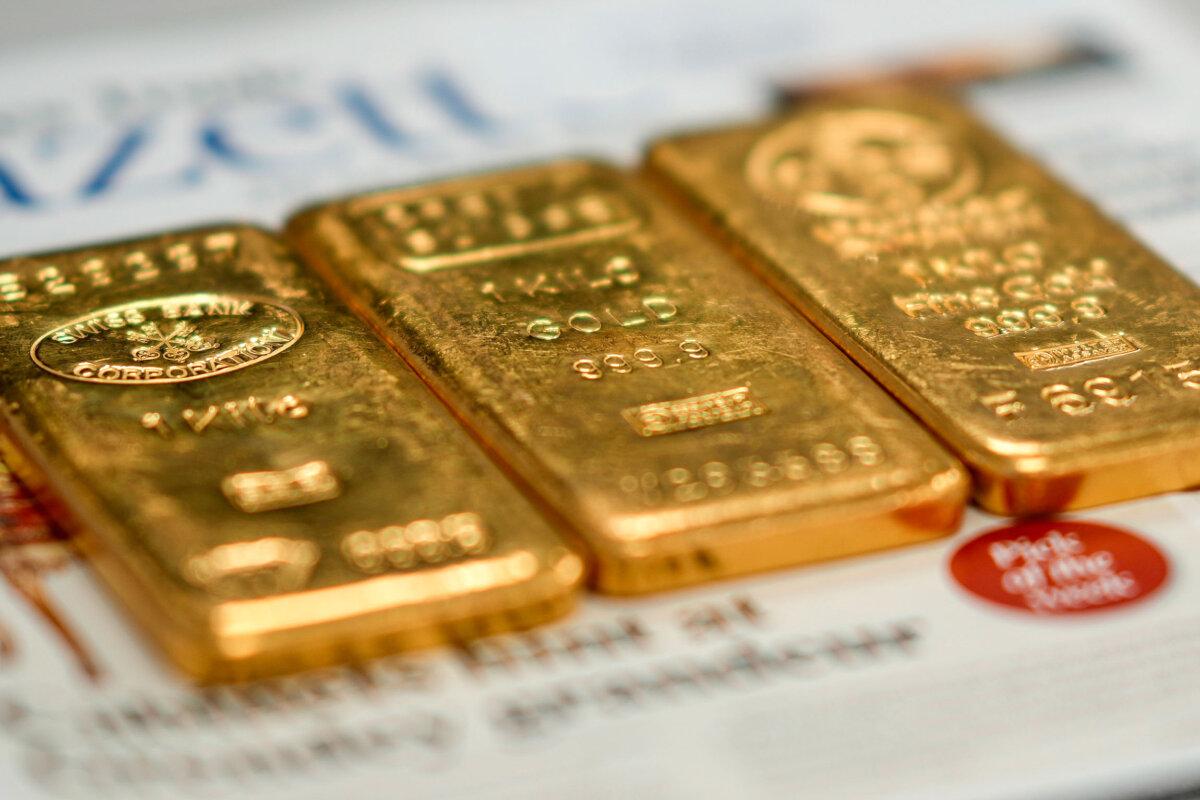
Gold prices declined by $82.60, or 1.7 percent, to $4,868.20 per ounce on the COMEX division of the New York Mercantile Exchange.
The yellow metal has fallen by more than 10 percent over the past week, paring its year-to-date gain to about 12 percent.
Silver prices have also cratered, plunging by about 37 percent since reaching a record high of almost $122 per ounce.
The white metal declined by about 10 percent on Feb. 5 to about $76 per ounce. Prices are up by just 4 percent this year.
In the near term, crypto and metals will face various headwinds, including economic and policy uncertainty, said Maja Vujinovic, CEO of digital assets at FG Nexus.
“Without liquidity, crypto, gold, and risk assets stay under pressure,” Vujinovic said in a note emailed to The Epoch Times.
“Gold continues to outperform in times of stress due to centuries of institutional trust,” she wrote. “Bitcoin is still young [approximately 15 years old] and viewed as volatile by traditional institutions.”
Copper dipped by about 0.3 percent to about $5.83 per pound. Palladium and platinum declined by 2 percent and 6 percent, respectively.
A strengthening U.S. dollar has also hurt precious metals.
The U.S. dollar index—a measurement of the greenback against a weighted basket of currencies—has risen by about 1.5 percent in the past five trading sessions.
A stronger buck is bad for dollar-denominated commodities because it makes them more expensive for foreign investors to purchase.
Since President Donald Trump nominated Kevin Warsh to lead the Federal Reserve, the dollar has pared its year-to-date losses. Investors believe that Warsh will take a more hawkish approach to monetary policy rather than cutting interest rates in a fast and furious manner.
“Although Warsh has recently advocated for lower rates, he is still viewed as more hawkish than the other candidates and has called for a ‘regime change’ at the Fed—including significant balance‑sheet reduction,” Adam Turnquist, chief technical strategist at LPL Financial, said in an emailed note to The Epoch Times.
“These positions helped fuel a rebound in the U.S. dollar, which traditionally moves inversely to gold.”
U.S. Treasury yields have also hurt crypto and precious metals.
The benchmark 10-year remains higher than 4.2 percent, while the 30-year hovers near 4.9 percent.
Rising government bond yields reduce the opportunity cost of holding non-yielding bullion.