
By Tom Gantert
OPEC+ said Sunday that seven member countries will raise oil output targets by 188,000 barrels per day in June, marking the third consecutive monthly increase as the alliance gradually unwinds earlier production cuts. The group announced the decision after a virtual meeting to review global market conditions.
The countries will ease voluntary production cuts that were first implemented in 2023 by key producers including Saudi Arabia and Russia, along with Iraq, Kuwait, Kazakhstan, Algeria, and Oman.
OPEC has the ability to significantly influence oil prices as its countries control the world’s largest oil reserves. OPEC members control about 72 percent of total world crude oil reserves, according to the U.S. Energy Information Administration.
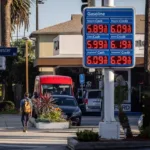
Gas prices reached as high as $6.10 per gallon in California on Sunday, according to the national survey by AAA. The national average hit $4.44 per gallon.
The United States began its conflict with Iran on Feb. 28. The average price of a gallon of gas in the United States in February was $2.91, according to the U.S. Department of Energy.
Democrats have used the increased cost of gas to criticize President Donald Trump for the war with Iran.
Senate Majority Leader Chuck Schumer (D-N.Y.) posted April 29 on X about gas prices increasing since “Trump started his costly, reckless war with Iran.”
The U.S. Department of Energy has released 17.5 million barrels of crude oil from the U.S. Strategic Petroleum Reserve from March 20 through April 24.
Releases from the reserve—the world’s largest emergency supply of crude oil—are typically authorized during major disruptions to global oil supply or significant price spikes. The reserve stores hundreds of millions of barrels of oil in underground salt caverns along the Gulf Coast.
Presidents authorized emergency drawdowns from the reserve during Operation Desert Storm in 1991, Hurricane Katrina in 2005, and again in 2011 and 2022.
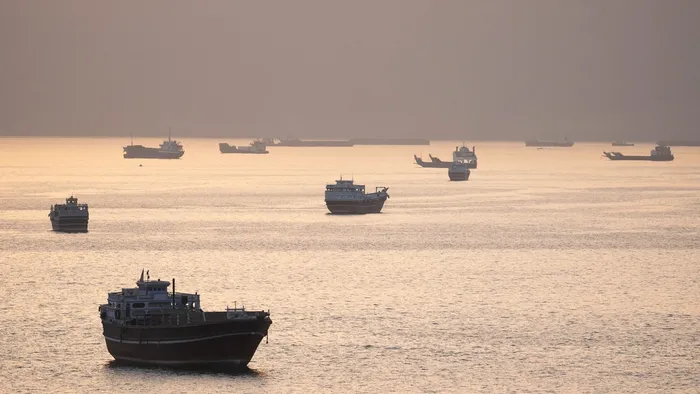
Trump said in an April 17 social media post that commercial shipping traffic can pass freely through the Strait of Hormuz, even as the United States maintains a targeted naval blockade against the Iranian regime.
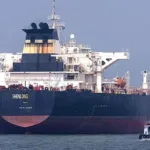
The Strait of Hormuz—deep enough and wide enough to handle the largest crude oil tankers in the world—is one of the world’s most important oil chokepoints, according to the U.S. Energy Information Administration. On average, 20 million barrels per day—or 20 percent of the planet’s petroleum liquids consumption—went through the Strait of Hormuz in 2024.